 Airfryfeast

Air fryers have gained widespread popularity by delivering crispy, flavorful meals with significantly less oil, promising both health benefits and convenience. Beyond these points, a critical factor for environmentally minded cooks is understanding how air fryers compare to traditional cooking approaches — like deep frying, oven baking, and stovetop cooking — in terms of environmental sustainability.
This guide examines crucial elements such as energy consumption, greenhouse gas emissions, and kitchen waste generation tied to air fryers relative to conventional appliances. This knowledge empowers you to adopt cooking habits that are both tasty and eco-friendly.

Energy Efficiency: Air Fryers as Power Savers
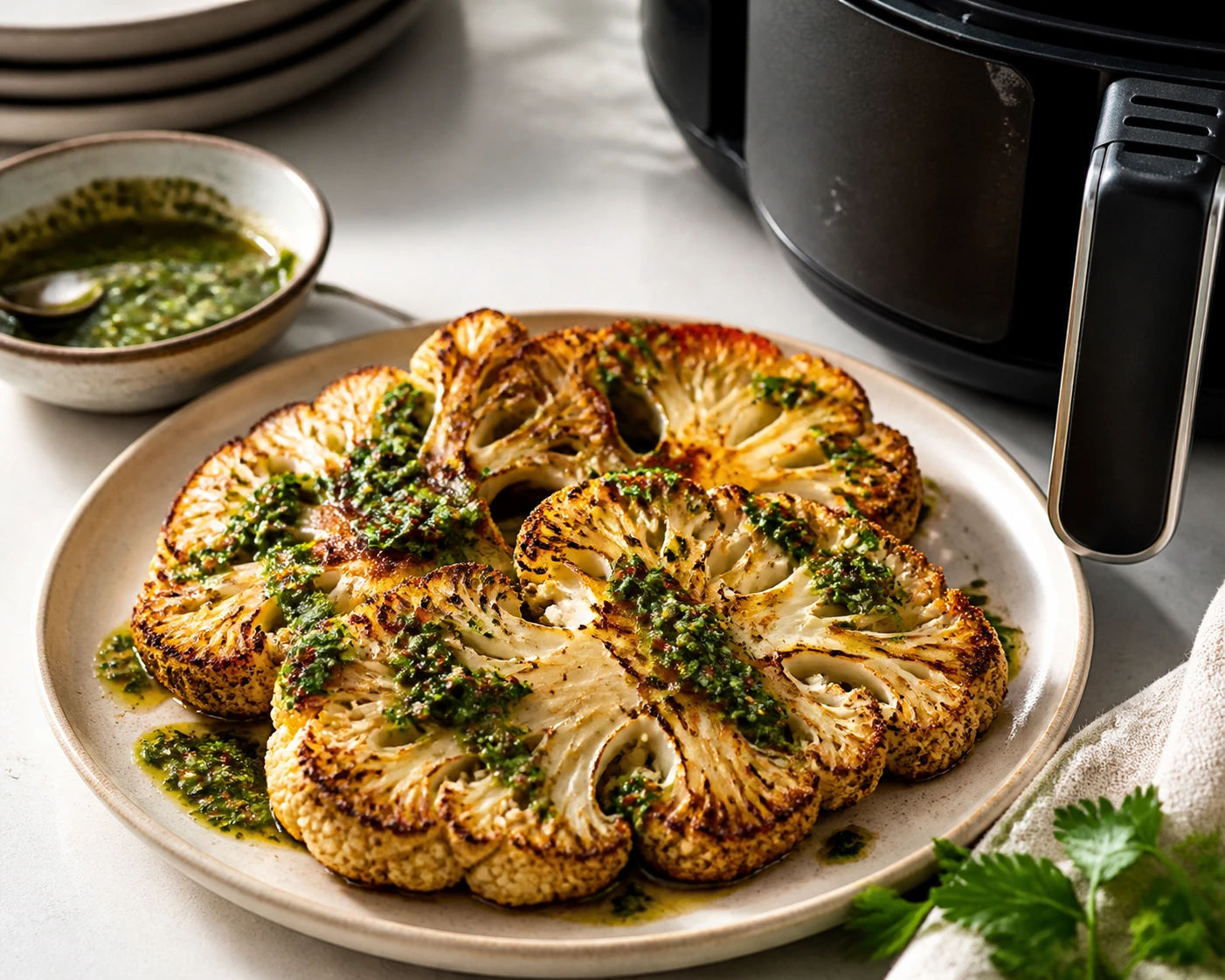
Air fryers operate by rapidly circulating hot air around food, generally requiring less preheating and shorter cooking times than conventional ovens. This efficiency often translates to reduced electricity use. For instance, cooking recipes such as Air Fryer Crispy Buffalo Cauliflower Bites usually consumes less energy and time than heating a full-size oven.

Additionally, air fryers’ compact cooking chambers demand less power compared to stovetop burners, which maintain continuous heat, or deep fryers that keep large volumes of oil hot for extended periods. Especially for small to medium meal portions, air fryers represent a distinctly energy-efficient alternative.
Emissions and Indoor Air Quality Advantages
Lower electricity use directly contributes to reduced greenhouse gas emissions, particularly in regions where electricity generation depends on fossil fuels. Unlike gas stovetops or deep fryers, air fryers do not produce combustion byproducts, resulting in cleaner indoor air quality.

Furthermore, deep frying relies heavily on oil, which carries environmental costs from cultivation, processing, and disposal stages. Air frying dramatically minimizes oil consumption, thereby reducing waste and the related environmental footprint.
Waste Reduction and Smarter Ingredient Use
Cooking with little to no oil not only cuts down on packaging and the disposal issues associated with used cooking oil but also supports household waste reduction.
Precise temperature control in air fryers helps prevent overcooking and spoilage, maximizing ingredient utilization. Dishes like Air Fryer Sweet Potato Fries with Smoky Chipotle Mayo exemplify how air frying preserves taste and texture efficiently, contributing to less food waste.
Practical Tips for Greener Air Frying
Enhance your air fryer’s environmental benefits by adopting these sustainable habits:
- Optimize batch sizes: Avoid overcrowding to ensure efficient cooking and energy use.
- Combine with eco-friendly appliances: Use energy-saving tools like pressure cookers or convection ovens in tandem to balance overall kitchen energy consumption.
- Use oil responsibly: Choose sustainably sourced oils when needed and recycle or reuse oils to minimize waste.
- Select reusable accessories: Prefer silicone liners and racks designed for air fryers over disposable options.
- Prioritize seasonal and local ingredients: Reduce transportation-related emissions and support sustainable agriculture.
Final Thoughts
No cooking method is entirely without environmental impact; however, air fryers offer a compelling path to minimizing your kitchen’s ecological footprint through lower energy needs, decreased emissions, and reduced waste. By combining mindful cooking practices with the flexibility of air frying, you contribute positively to a more sustainable lifestyle.
Try creative and environmentally conscious recipes such as Air Fryer Crispy Buffalo Cauliflower Bites and Air Fryer Sweet Potato Fries with Smoky Chipotle Mayo to enjoy meals that balance flavor with eco-friendliness.
Adopting sustainable kitchen habits centered on smart air fryer use is a meaningful step toward supporting a healthier planet — one delicious meal at a time.