 Airfryfeast
Air cooking has transformed home kitchens by delivering fast, versatile, and health-conscious cooking solutions. Beyond just speed and convenience, it opens a gateway to exploring diverse global flavors with authenticity and ease. By adapting traditional international dishes to air cooking methods, home cooks can enjoy genuine tastes and textures without sacrificing time or nutrition.
Understanding Distinctive Cultural Flavor Profiles
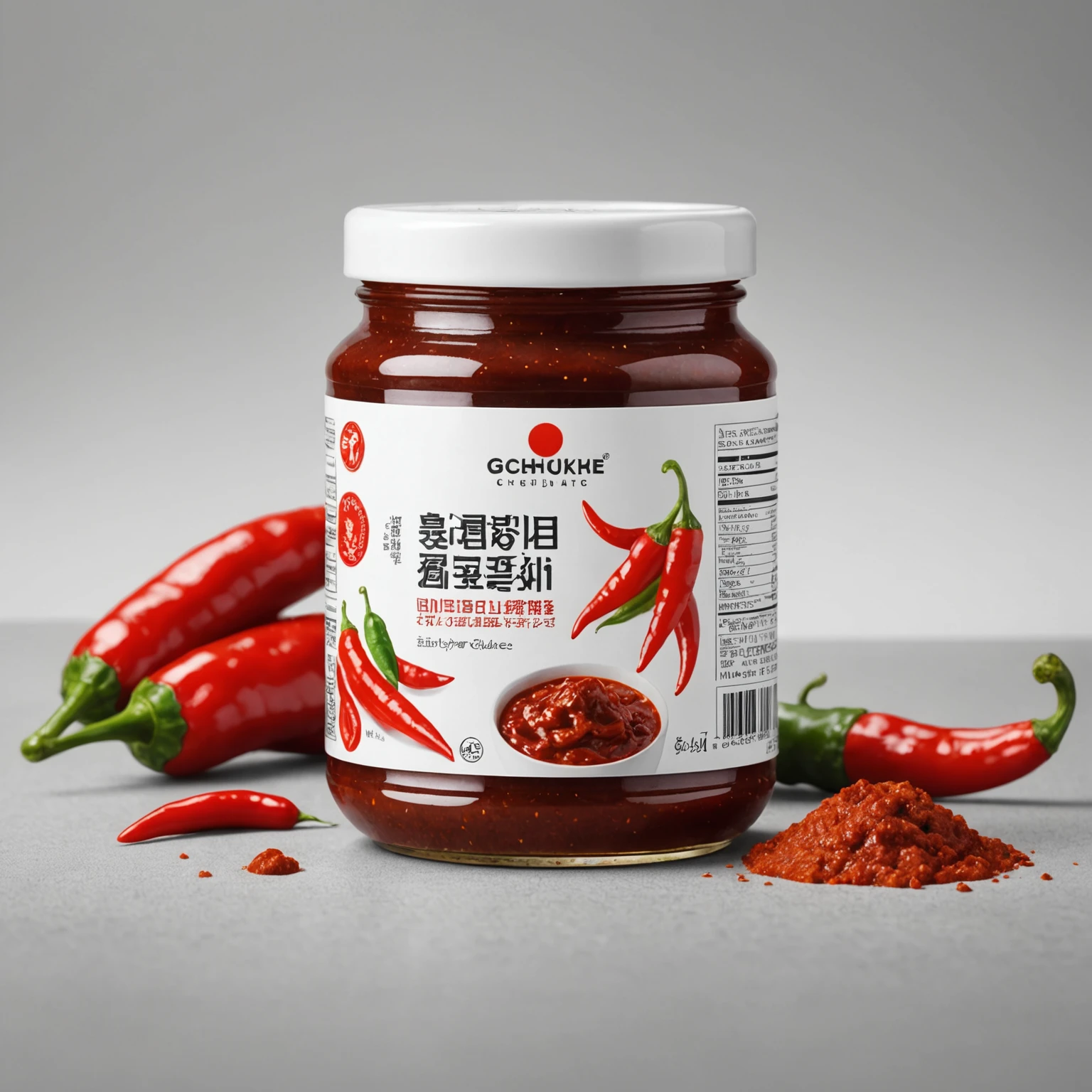
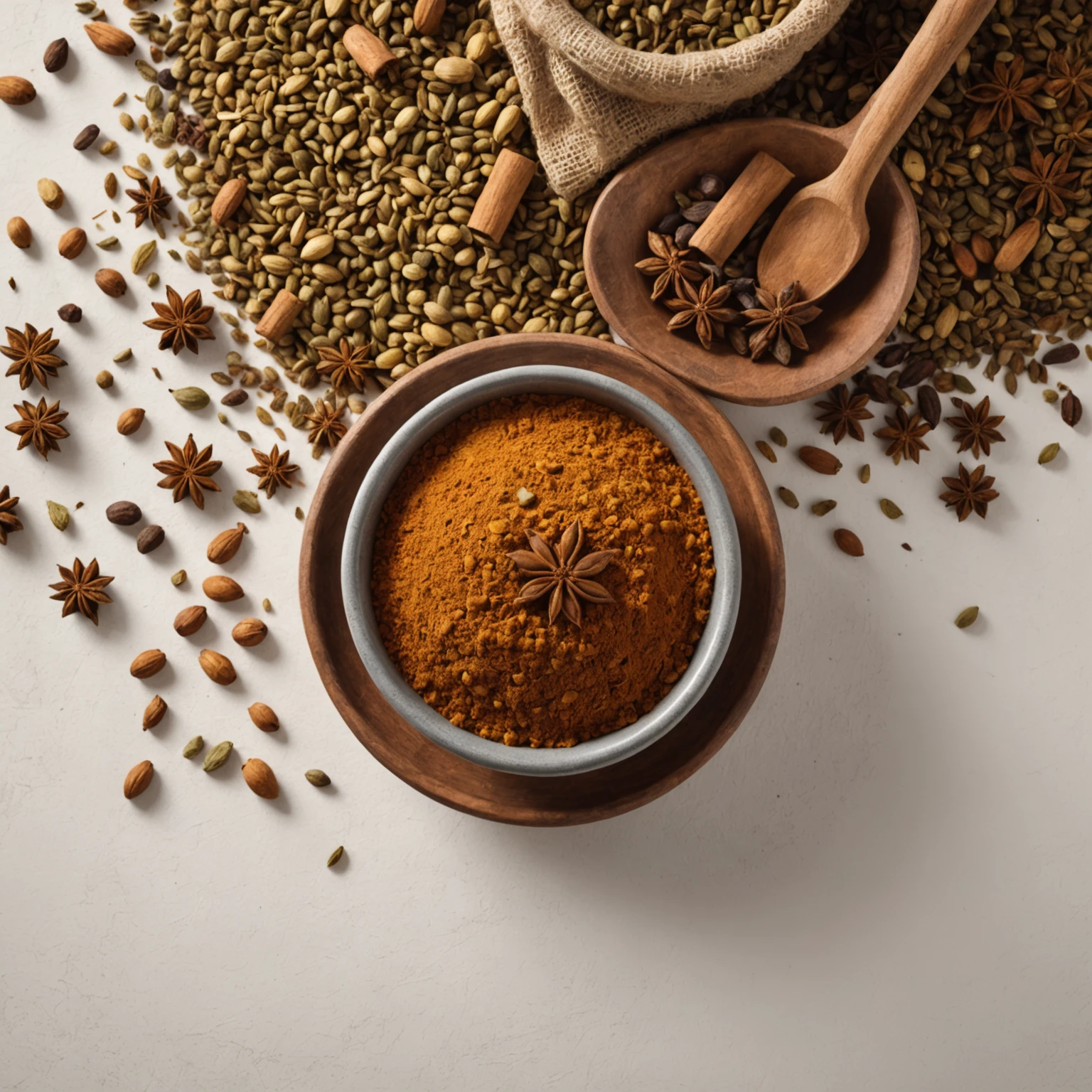
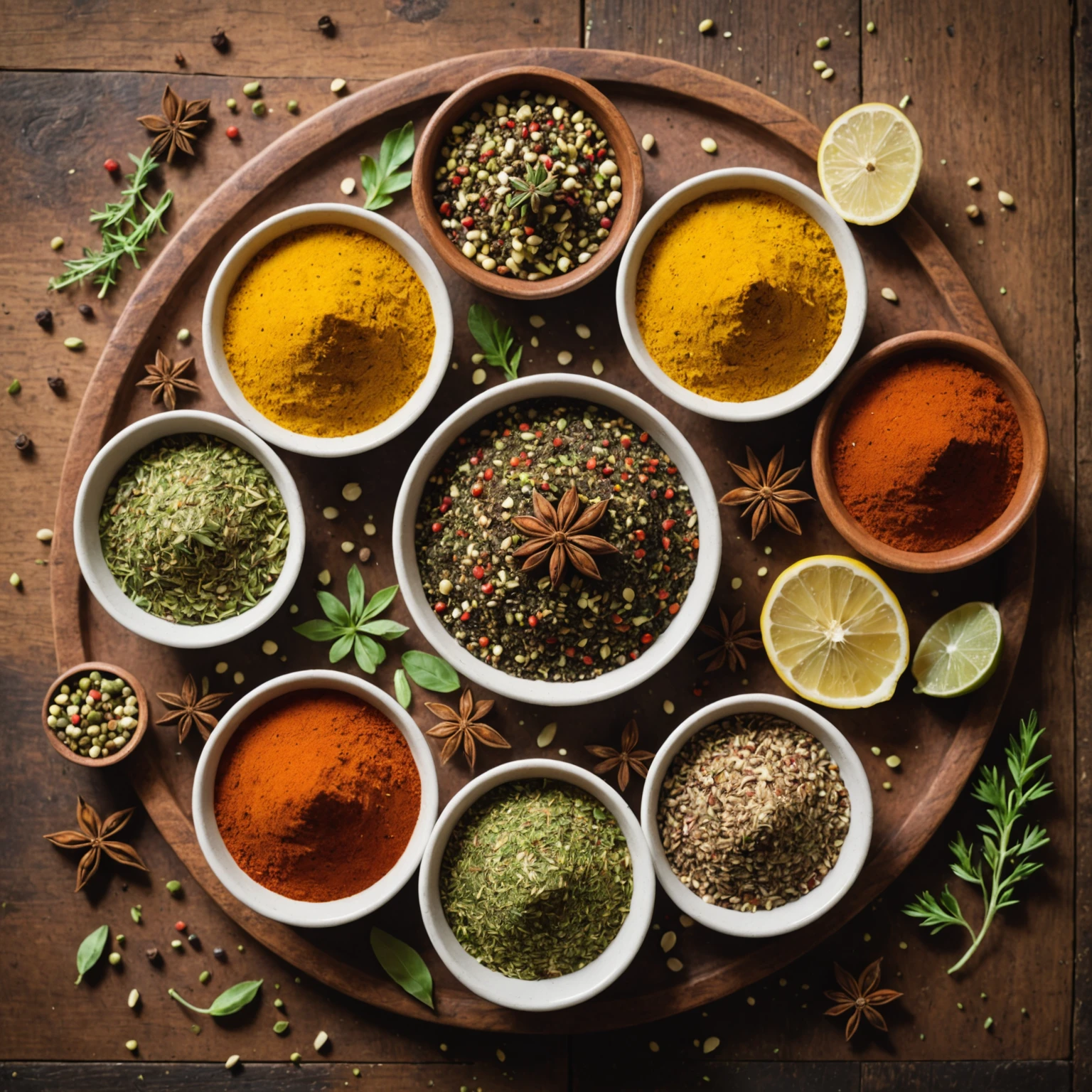
Every world cuisine tells a unique culinary story through its use of ingredients, spices, and cooking styles. For example, Korean cuisine features bold umami flavors with fermented staples like gochujang and doenjang. Mediterranean dishes highlight bright, fresh herbs such as oregano and dill, paired with citrus and heart-healthy olive oil. Indian cooking layers complex aromas using spice blends like garam masala, turmeric, and coriander to create warming, multifaceted tastes.
Recognizing these essential flavor elements helps cooks select and adjust herbs and seasonings carefully, preserving authenticity in the fast, high-heat environment of air cooking.
Incorporating Traditional Ingredients in Air Cooking
Authentic international cooking hinges on using native and regional ingredients. Integrating fermented pastes, fresh regional vegetables, and characteristic spice blends is key to maintaining genuine flavor profiles.
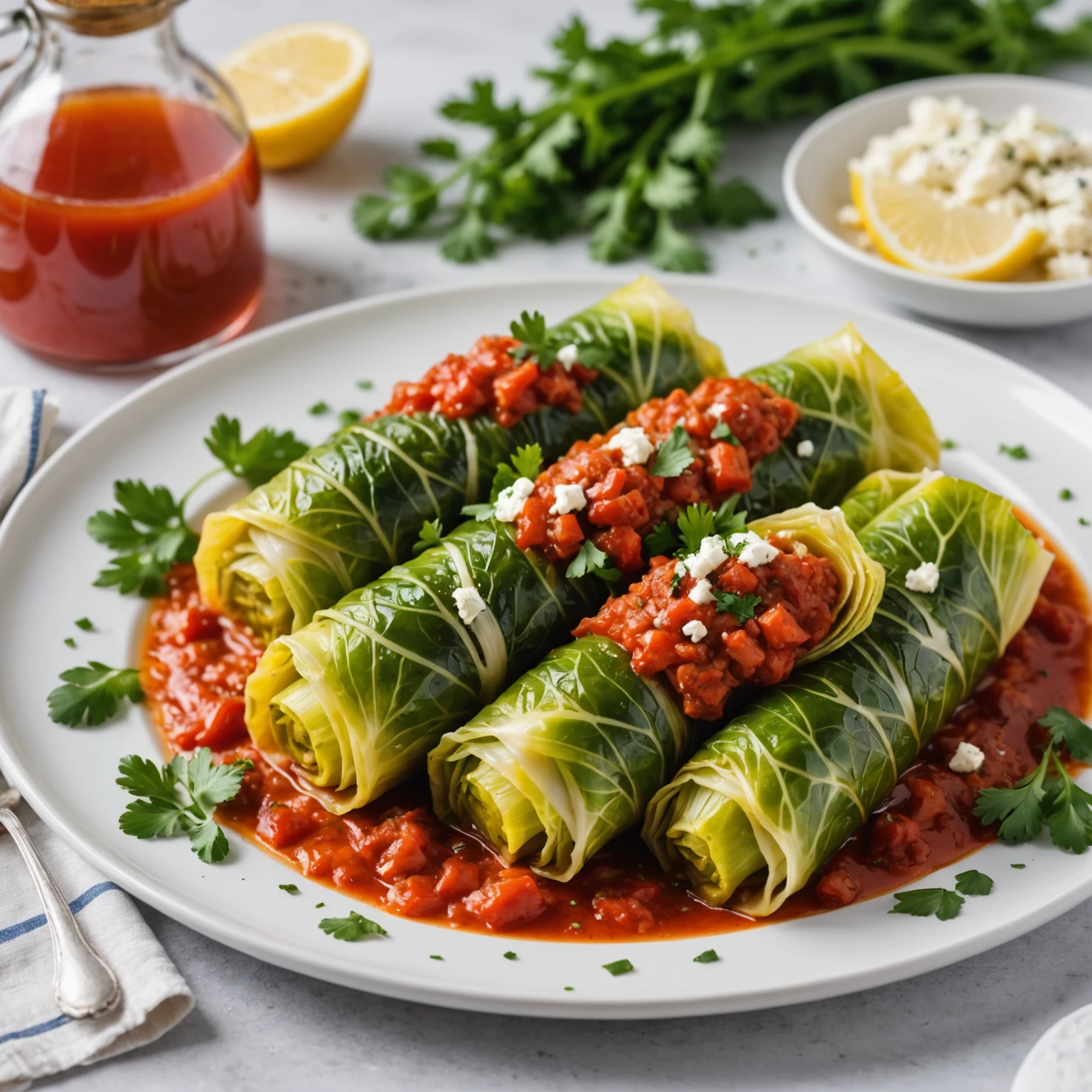
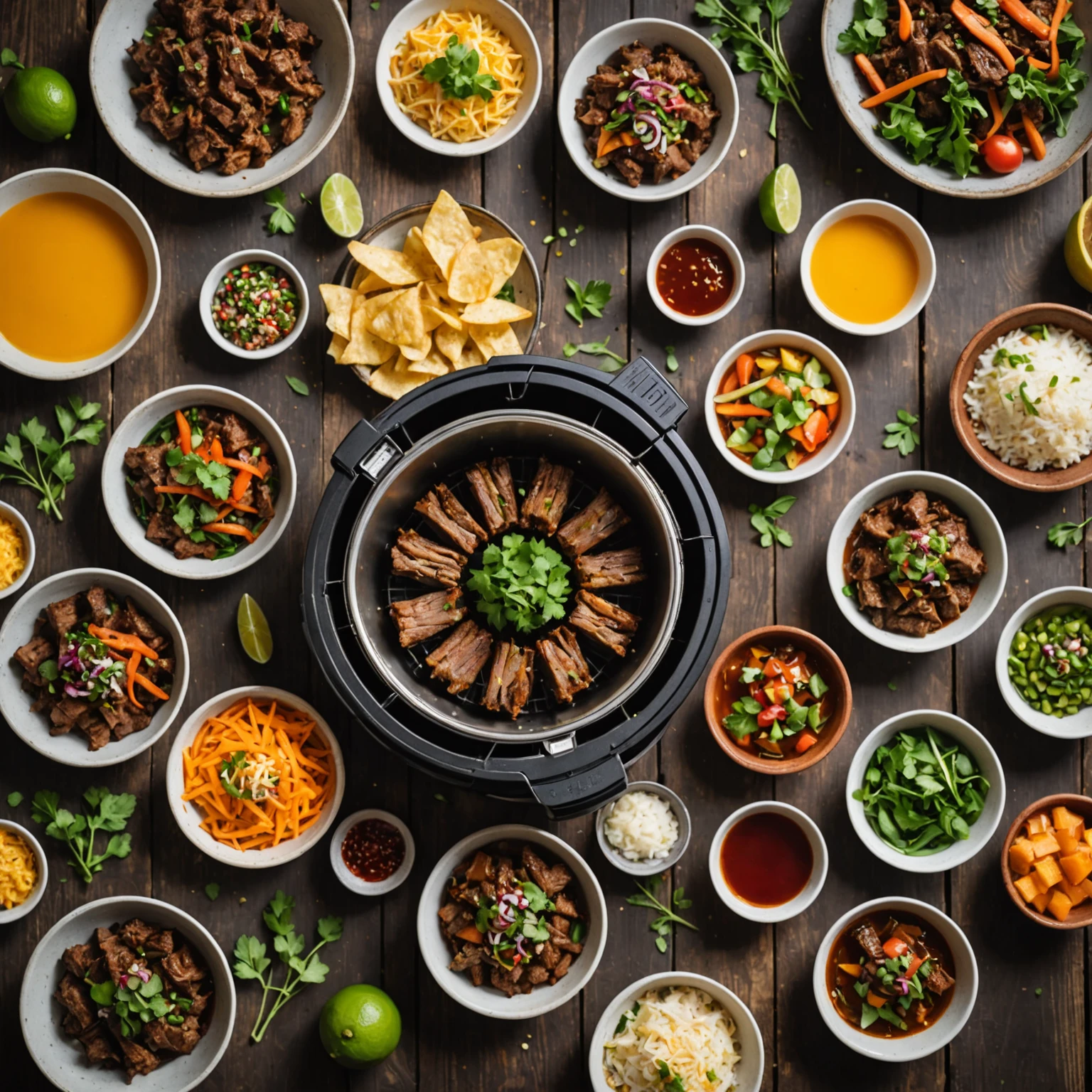
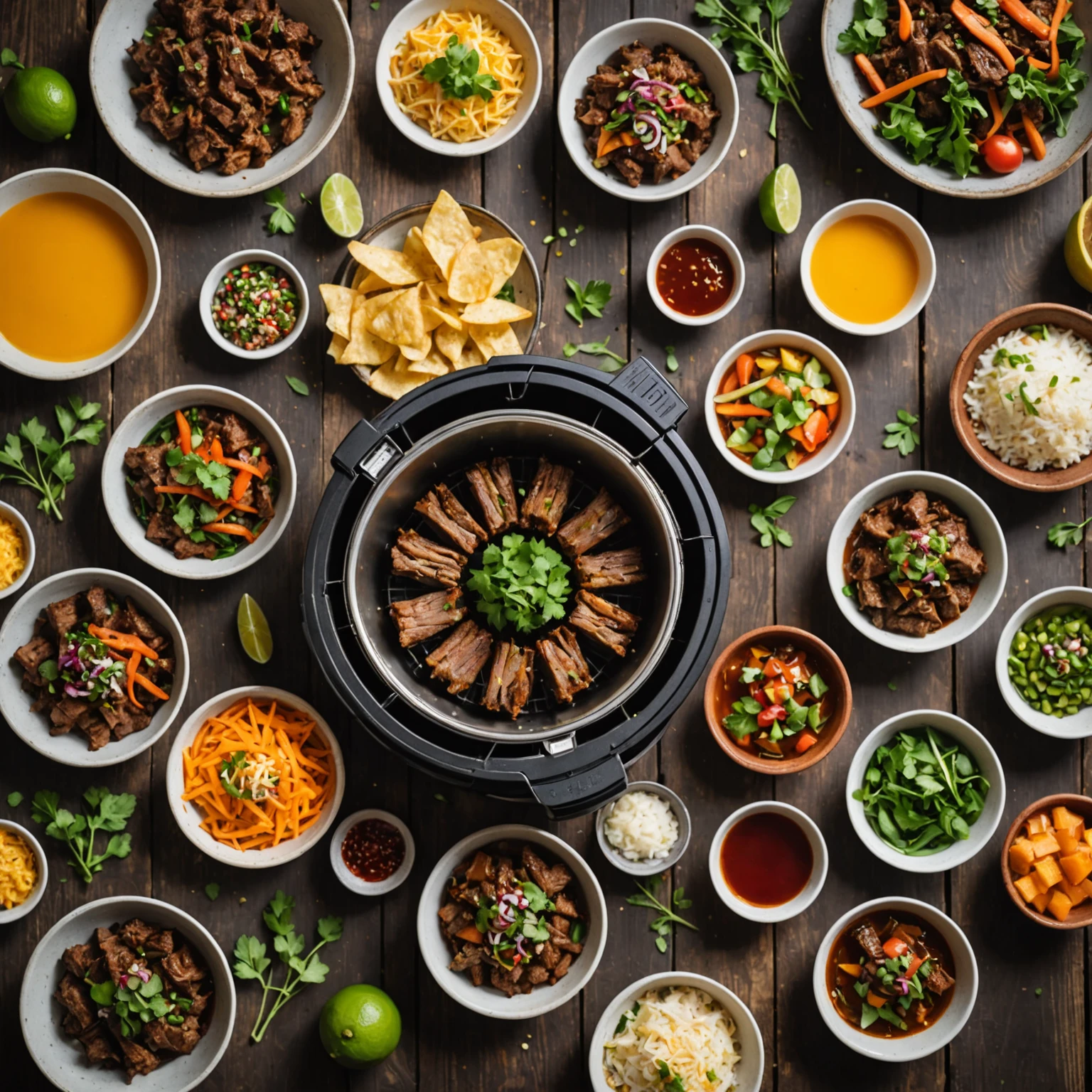
For instance, the Air Fryer Korean Bulgogi Beef Bowls exemplify how marinated meats paired with fresh produce can replicate street food textures and flavors through caramelization and juiciness without prolonged cooking times. Similarly, the Air Fryer Mediterranean Stuffed Cabbage Rolls combine turkey, quinoa, and herbs enveloped in cabbage leaves, showcasing nutrient-dense, authentic components enhanced by quick air cooking.
Enhancing Texture and Flavor Through Air Cooking Techniques
Air cooking’s rapid circulation of hot air crisps and browns food surfaces while locking in moisture inside, mirroring traditional frying or roasting effects but with less oil. This process activates the Maillard reaction, intensifying savory notes and creating appealing textures celebrated in many cultural dishes.
Strategically layering flavors using marinades, spice rubs, and finishing garnishes such as fresh herbs or citrus juice can elevate air-cooked international meals. These touches bring the freshness and complexity that define authentic global cuisine experiences.
Simplifying Global Cooking for Everyday Use
Air cooking demystifies complex or time-consuming international recipes by reducing preparation and cook times without compromising on depth of flavor or cultural integrity.
This convenience inspires home cooks to diversify their meal planning and enrich their culinary knowledge by embracing dishes from around the world, turning exploration into accessible, delicious experiences.
Essential Tips for Air Cooking International Dishes
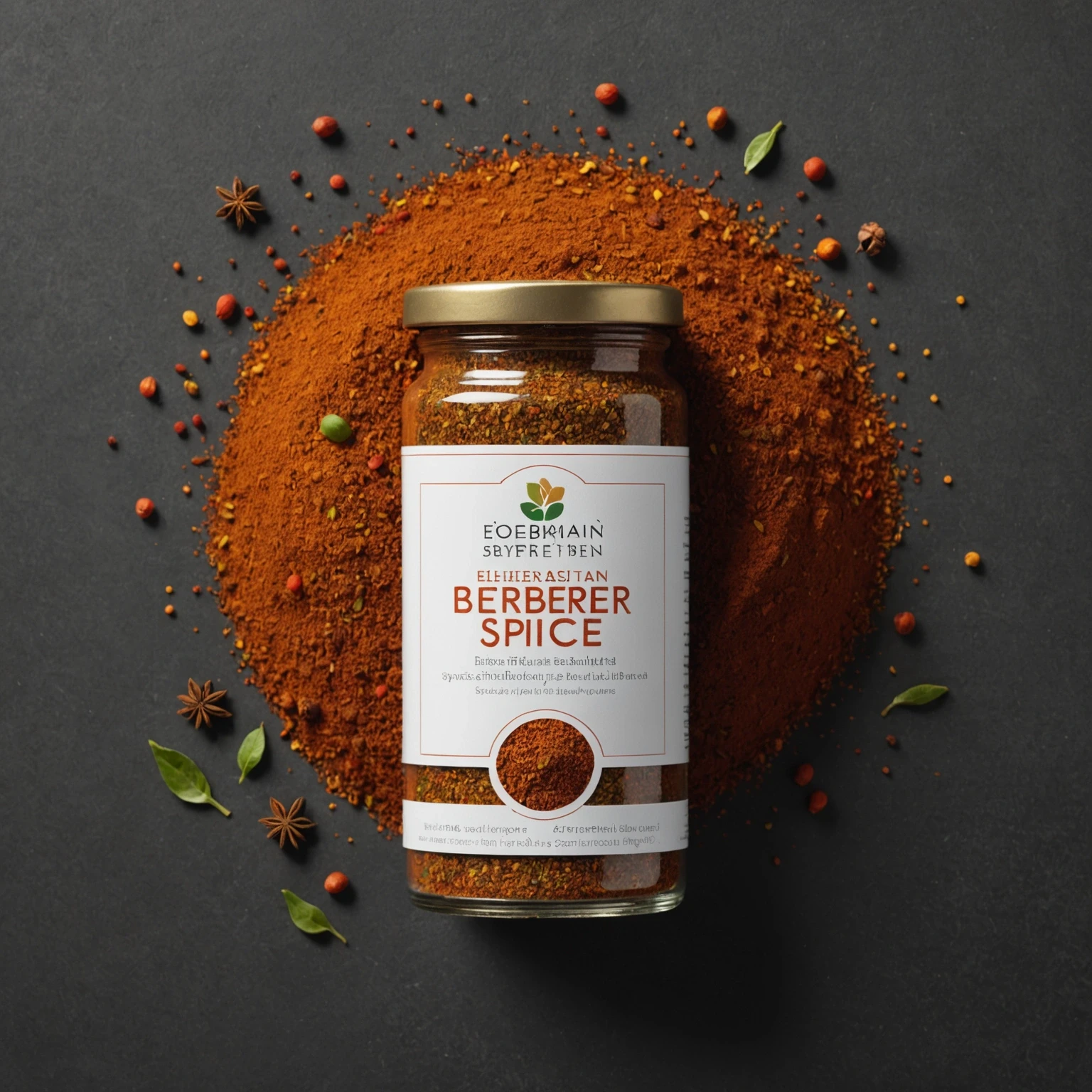
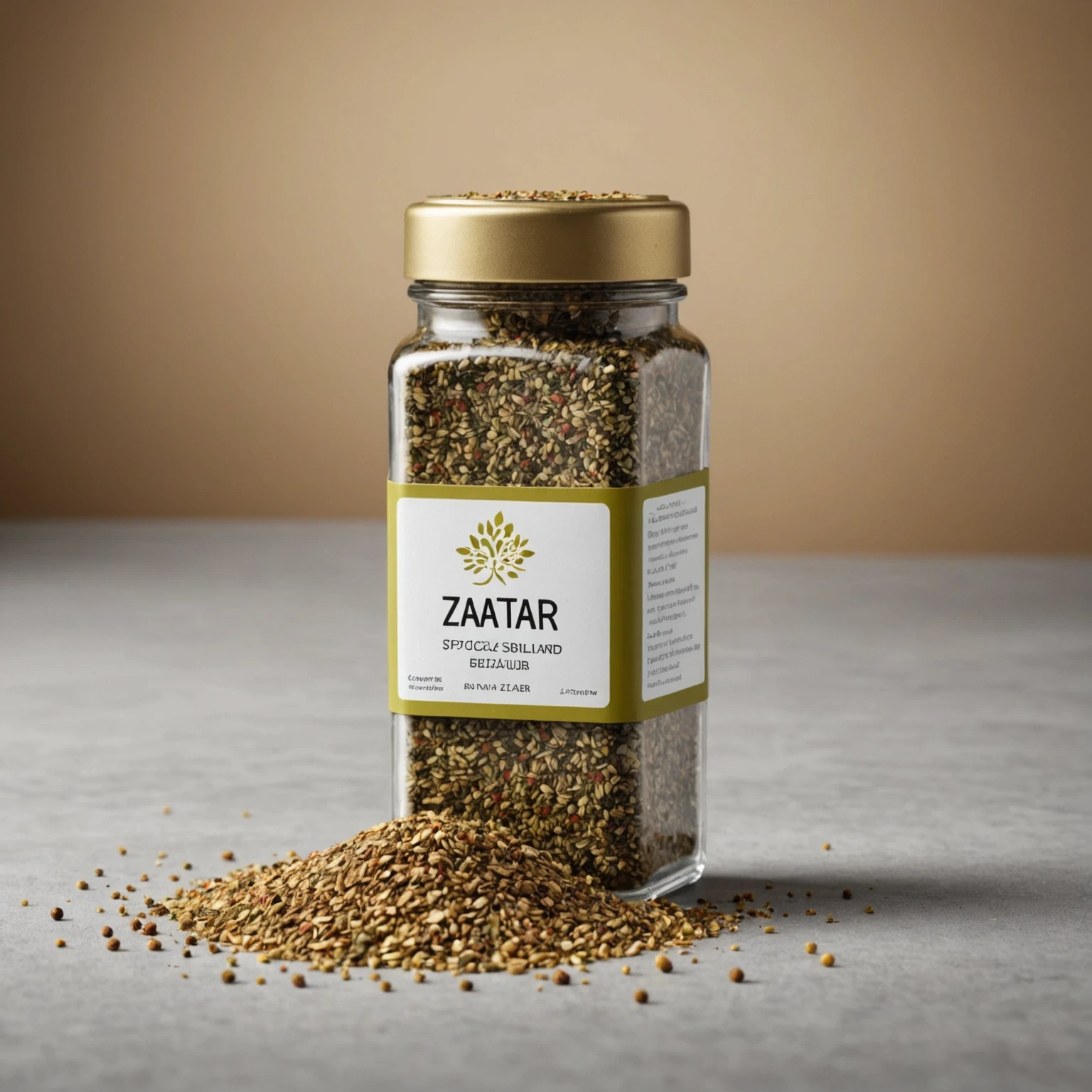
- Incorporate authentic spice blends: Utilize regional mixes like za’atar, ras el hanout, berbere, or garam masala for unmistakable flavor signatures. - Leverage marinades: Infuse proteins and vegetables with complementary seasonings for deeper flavor penetration and moisture retention. - Balance textures: Combine crispy air-fried elements with fresh, cooling sides such as salads or yogurt-based sauces to enhance the meal’s contrast. - Experiment with stuffed foods: Air cooking crisps exteriors evenly while maintaining tender fillings in popular stuffed vegetables and breads across cultures.
By integrating air cooking into global culinary practices, cooks can celebrate diversity, nutrition, and tradition in an efficient, enjoyable way. Whether savoring the bold spices of Korean bulgogi or the herbal brightness of Mediterranean cabbage rolls, air cooking enables cultural flavors to thrive in modern kitchens.