 Airfryfeast
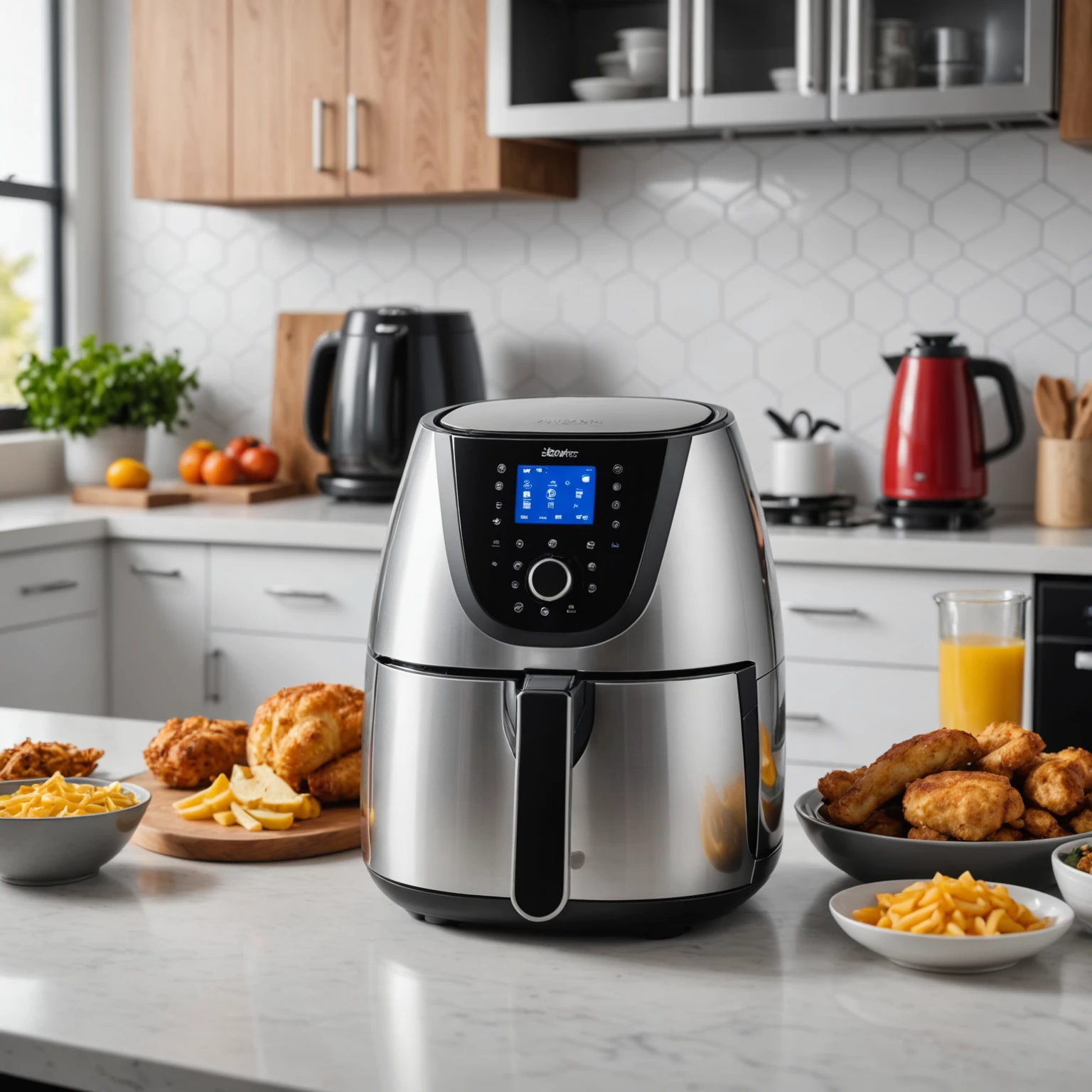
Air fryers have revolutionized home cooking by enabling quick, tasty meals with less oil. However, to ensure safe operation and long-lasting performance, it’s important to follow practical safety measures and address any issues promptly. This guide provides essential advice to help you use your air fryer confidently and keep it in top condition.
Essential Safety Tips for Using Your Air Fryer
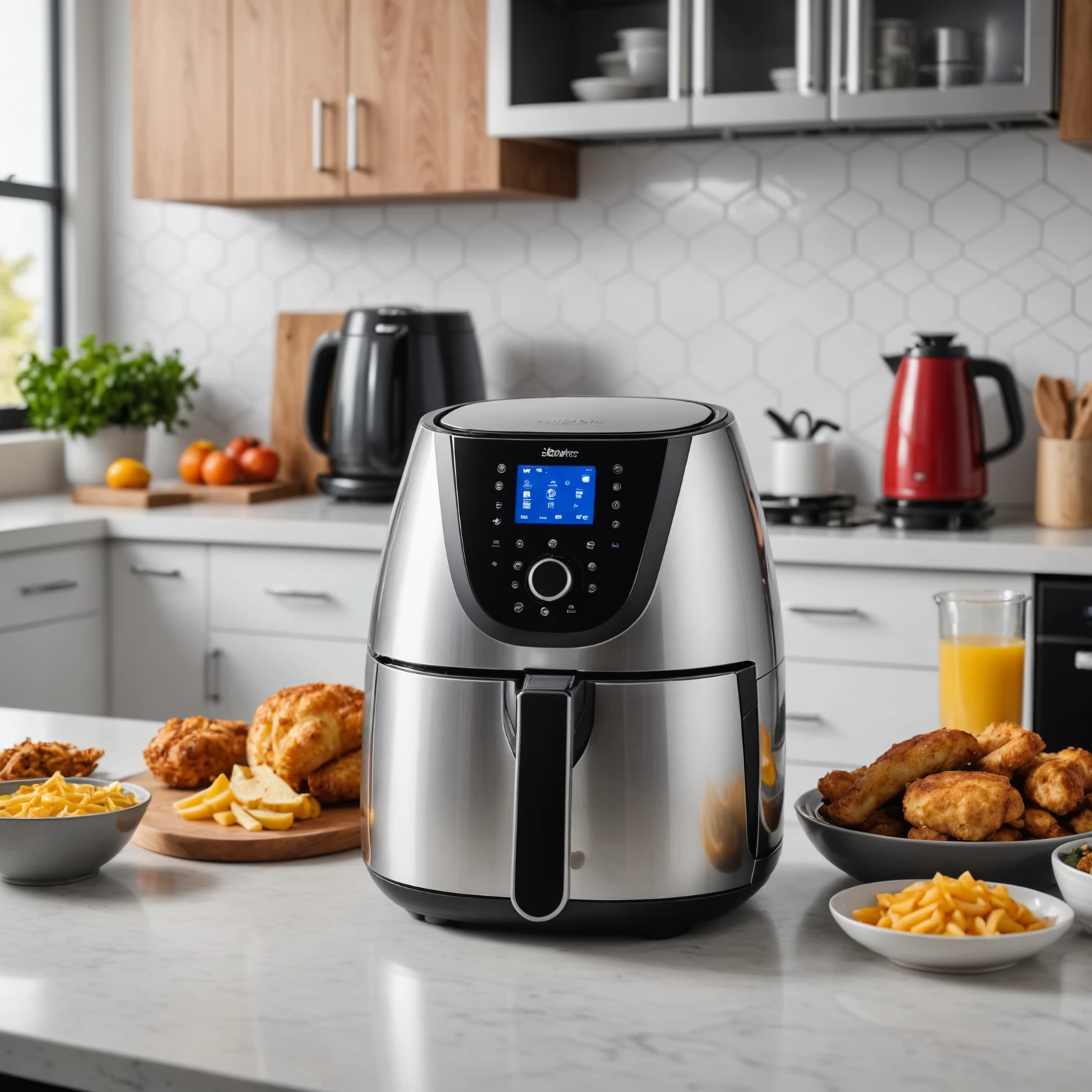
Proper Placement and Ventilation: Always set your air fryer on a stable, heat-resistant surface with sufficient space around it for airflow. Avoid blocking vents, as restricted ventilation can cause overheating and reduce cooking effectiveness. Keep your air fryer clear of flammable materials like curtains, paper towels, or dishcloths.
Electrical Precautions: Use only the original power cord and plug the device directly into a grounded outlet. Avoid extension cords to reduce the risk of electrical issues. Before cleaning or inspecting your air fryer, unplug it and allow it to cool completely.
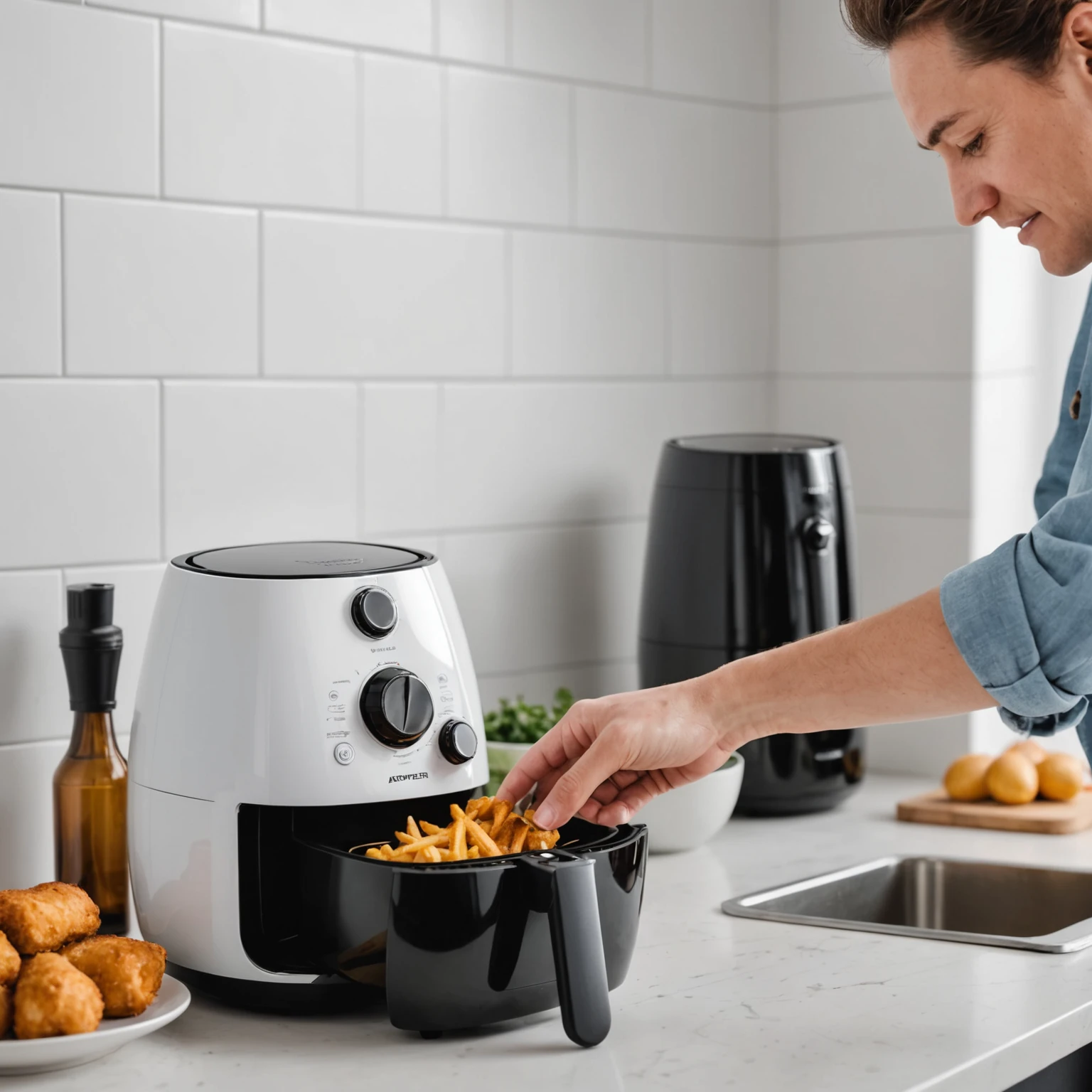
Avoid Overloading: Do not overcrowd the basket or fill it with thick batters that block air circulation. Overfilling leads to uneven cooking and strain on the appliance. Always follow the manufacturer’s recommended loading limits.
Troubleshooting Common Air Fryer Problems
1. Air Fryer Does Not Turn On: Ensure the unit is firmly plugged in and check the outlet with another device. Many models have safety locks that prevent operation if the basket or drawer is improperly inserted—verify it’s securely in place.
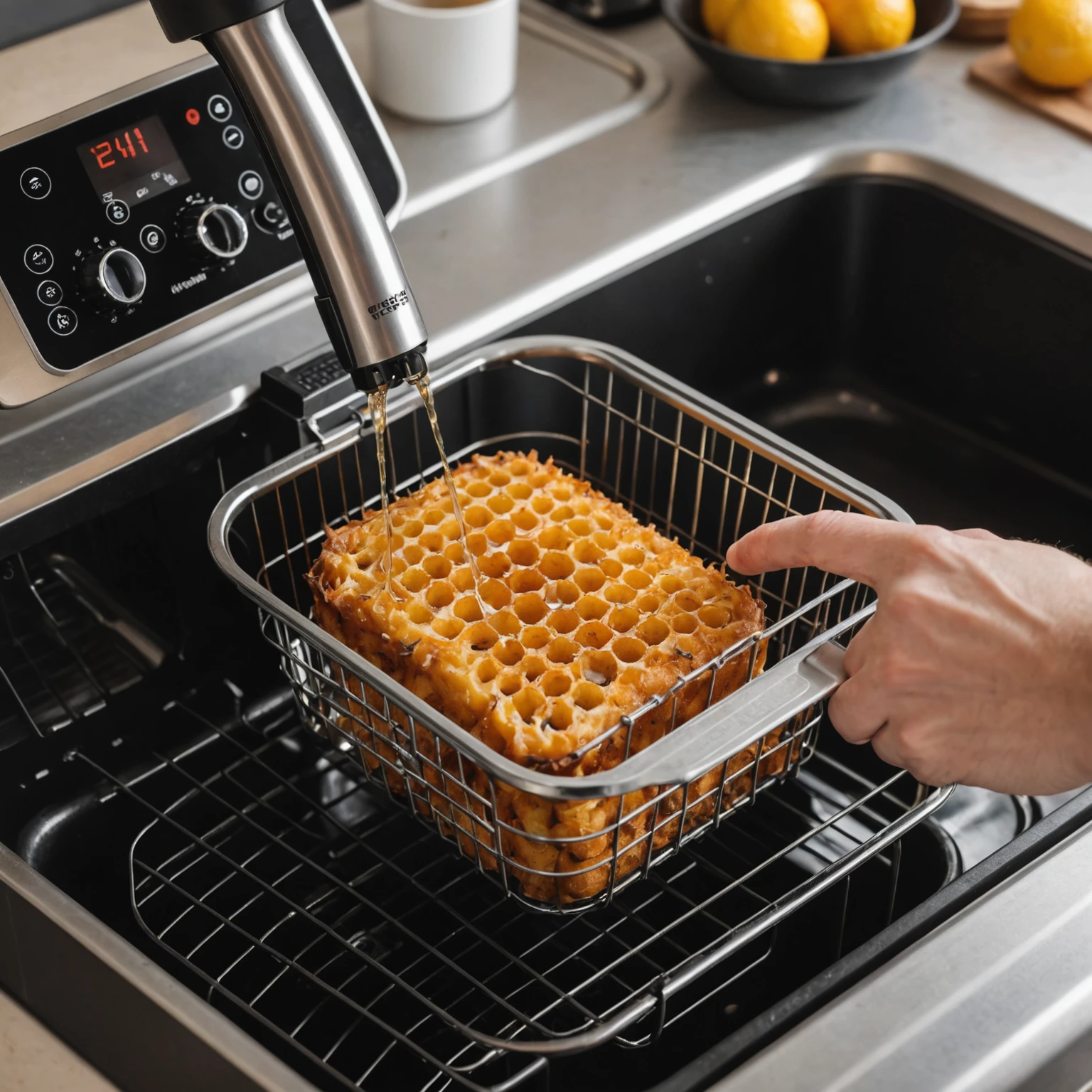
2. Uneven Cooking Results: Overloading the basket or neglecting to shake or stir food during cooking often causes this. Cook smaller batches and shake or turn the food halfway through the cycle to promote even heat exposure.
3. Smoke Emission During Use: Excess oil dripping on the heating element or accumulated residue can create smoke. Regularly clean the basket, tray, and heating chamber. Trim excess fat from meats to reduce drippings.
4. Lingering Unpleasant Odors: New air fryers or units not cleaned regularly may emit odors. Thoroughly wash all removable parts with warm, soapy water. Running an empty cycle at a high temperature can help eliminate residual smells.
Maintenance Practices for Safety and Longevity
- Regular Cleaning: After each use, clean all removable components with warm, soapy water using gentle sponges to protect nonstick surfaces.
- Inspect for Wear: Check cords, plugs, and the appliance body periodically for damage or loose parts. Repair or replace damaged components promptly.
- Protect Electrical Parts: Never immerse the main unit in water. Wipe the exterior carefully with a damp cloth, avoiding moisture near electrical connections.
- Use Proper Accessories: Only use accessories designed for your air fryer model to ensure safe heat circulation and prevent hazards.
Confident and Safe Air Fryer Cooking
Get to know your air fryer’s cues—such as beeps, indicator lights, and temperature controls—to identify when adjustments or attention are needed. Applying these safety and maintenance tips lets you enjoy preparing favorites like Air Fryer Crispy Tandoori Chicken Wings and Air Fryer Lemon Garlic Shrimp with total confidence.
By prioritizing safety, addressing issues quickly, and maintaining your appliance properly, you create a reliable, safe cooking environment that protects both your air fryer and your household. Use this guide to get the most from your air fryer—hassle-free and fearlessly.