 Airfryfeast
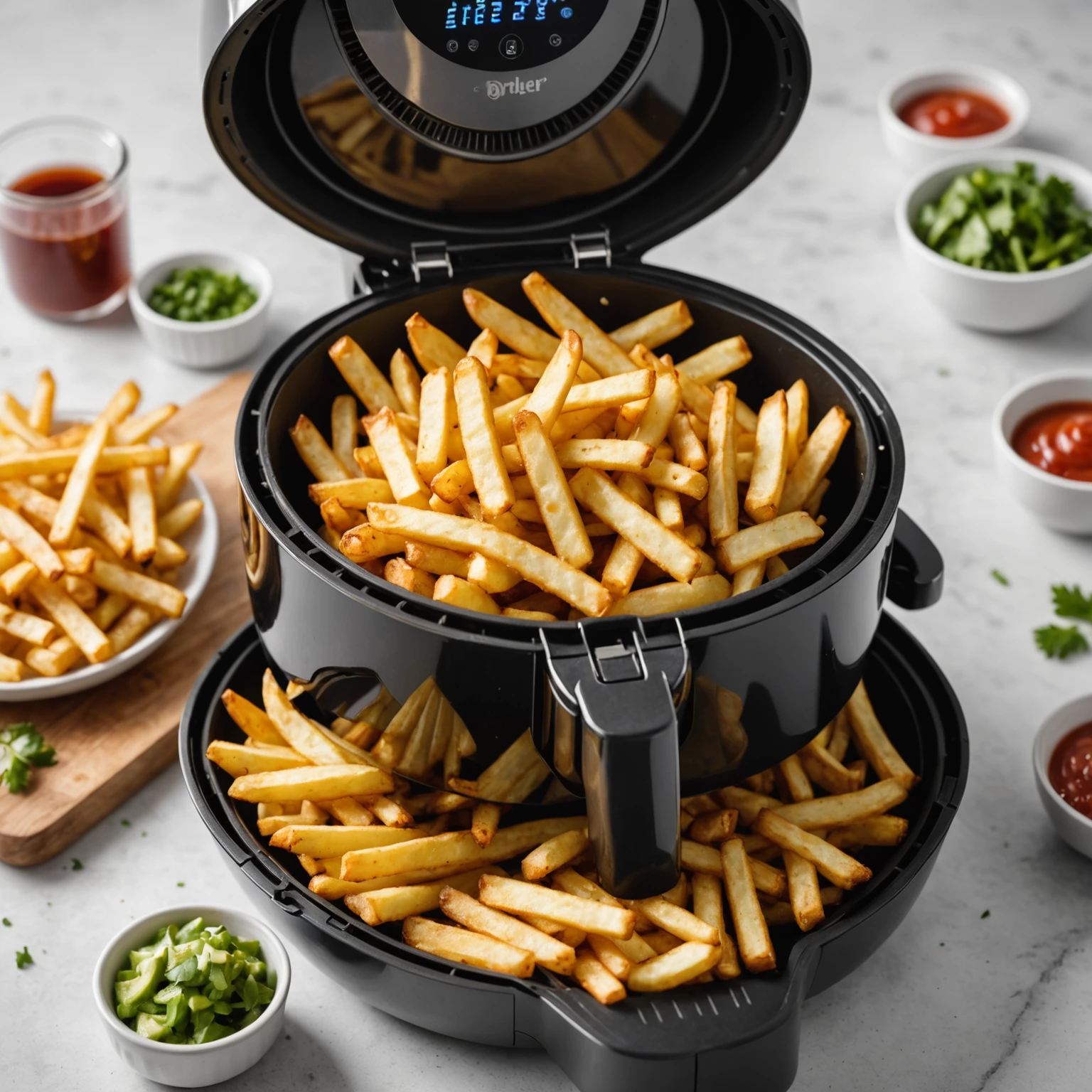
Consistently achieving crispy, evenly cooked dishes with your air fryer depends largely on how you load the appliance—not just the temperature or time settings. Air fryers rely on rapid hot air circulation to cook food evenly, so spacing and placement are crucial to maximizing performance and texture.
Understanding Airflow in Air Fryers
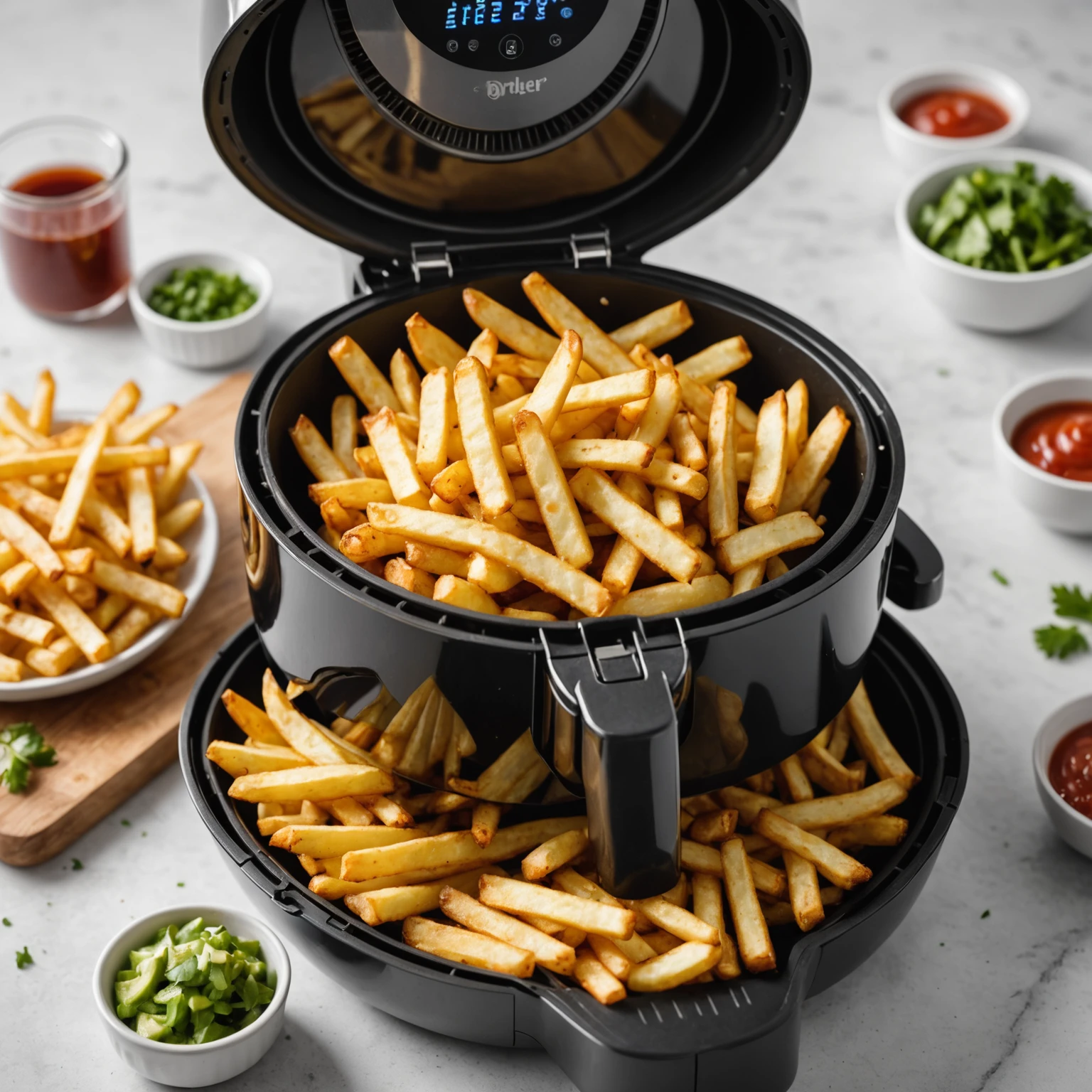
Air fryers circulate hot air at high speed around the food to cook it thoroughly and develop a crisp surface via the Maillard reaction. When food pieces are stacked too closely or piled up, they block airflow, leading to uneven cooking. This often results in dry edges with undercooked, soggy centers.
The internal fan ensures moisture is driven away from the food surface while evenly distributing heat. Maintaining unobstructed airflow around every piece is essential to achieving the ideal balance of crispness and doneness.
Best Practices for Loading Your Air Fryer
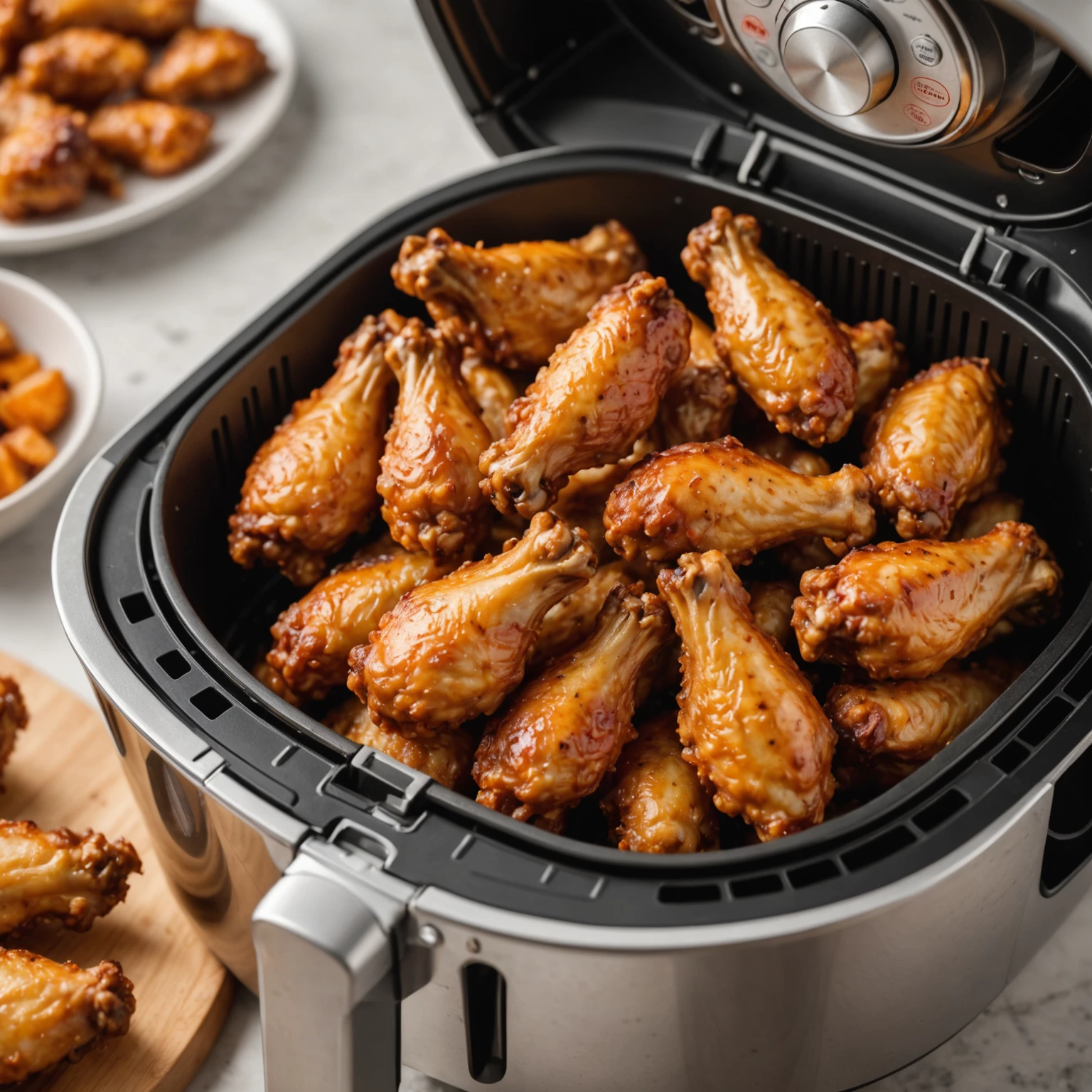
- Use a Single, Even Layer: Spreading food in a single, evenly spaced layer promotes uniform heat exposure. This is especially effective for thinner or smaller items such as fries and bite-sized snacks, allowing steam to escape and hot air to circulate freely.
- Leave Space Between Each Piece: Avoid crowding or touching pieces to enable hot air to surround all surfaces. For example, spacing out florets when making Air Fryer Crispy Buffalo Cauliflower Bites improves crispiness.
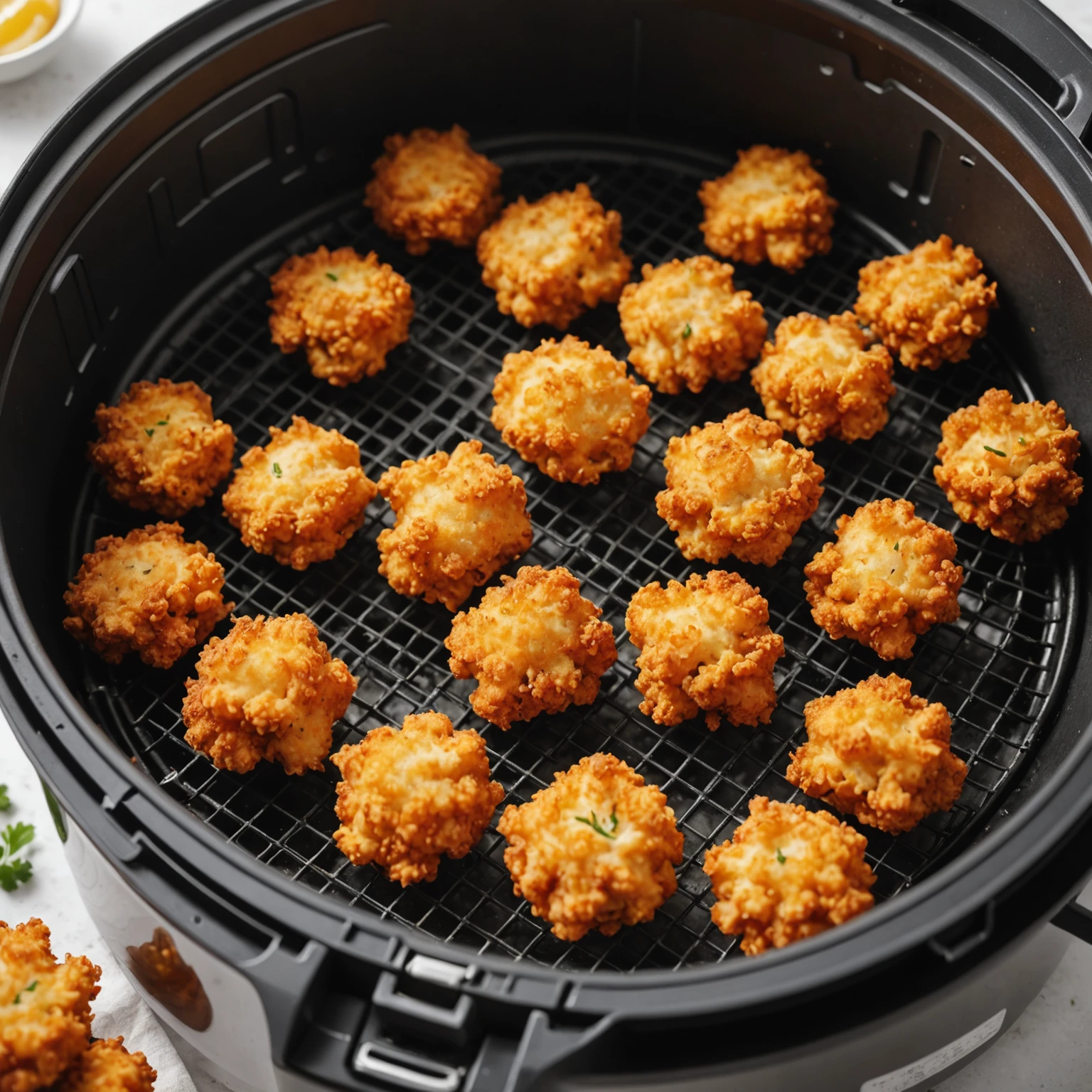
- Avoid Overloading the Basket: Filling the basket to capacity hinders airflow and prolongs cooking times. Dividing food into smaller batches ensures consistent texture and thorough cooking.
- Utilize Racks or Dividers Thoughtfully: Using racks can increase cooking capacity by adding layers, but maintain sufficient spacing between layers to not obstruct air circulation.
Loading Tips for Different Food Types
- Thin or Delicate Ingredients: Items like fries or vegetable sticks cook best spread flat with plenty of space to prevent steaming. For instance, Air Fryer Sweet Potato Fries with Smoky Chipotle Mayo benefit from open spacing to stay crisp.
- Chunky or Irregular Cuts: Larger pieces such as chicken wings or thick vegetables cook more evenly when spaced out so thick portions don’t touch. Shaking or turning the food halfway through cooking further promotes evenness.
- Breaded or Batter-Coated Foods: These require additional space to avoid sogginess and benefit from gentle agitation during cooking to achieve even browning.
Common Loading Mistakes to Avoid
- Overcrowding: Leads to uneven heating and soggy results. Cook smaller portions if needed.
- Stacking Food without Proper Airflow: Vertical stacking impedes circulation unless using racks designed for adequate spacing.
- Ignoring Air Fryer Capacity Guidelines: Different models support varying load sizes—consult your user manual for recommended limits.
- Skipping Preheating: Starting with a preheated air fryer ensures immediate hot air circulation for consistent cooking.
Additional Tips to Enhance Air Circulation
- Lightly Toss Food with Oil and Seasonings: This promotes even browning while preventing clumping.
- Shake or Turn Food Midway Through Cooking: Exposes all sides to hot air for uniform crispness.
- Keep the Basket Clean: Residues can block airflow and increase smoke or odors.
Conclusion
Optimizing the way you load your air fryer is fundamental to preparing meals with balanced texture, flavor, and doneness. By spacing items appropriately, respecting your appliance’s capacity, and ensuring strong air circulation, you can fully unlock the versatility and efficiency of air frying.
For practical visual references on loading techniques, check out our Air Fryer Crispy Buffalo Cauliflower Bites and Air Fryer Sweet Potato Fries with Smoky Chipotle Mayo recipes, which demonstrate how proper arrangement enhances texture and taste.
Remember, maximizing your air fryer’s basket is not just about quantity but creating the ideal environment for hot air to circulate freely—resulting in perfectly cooked, crispy food every time.