 Airfryfeast
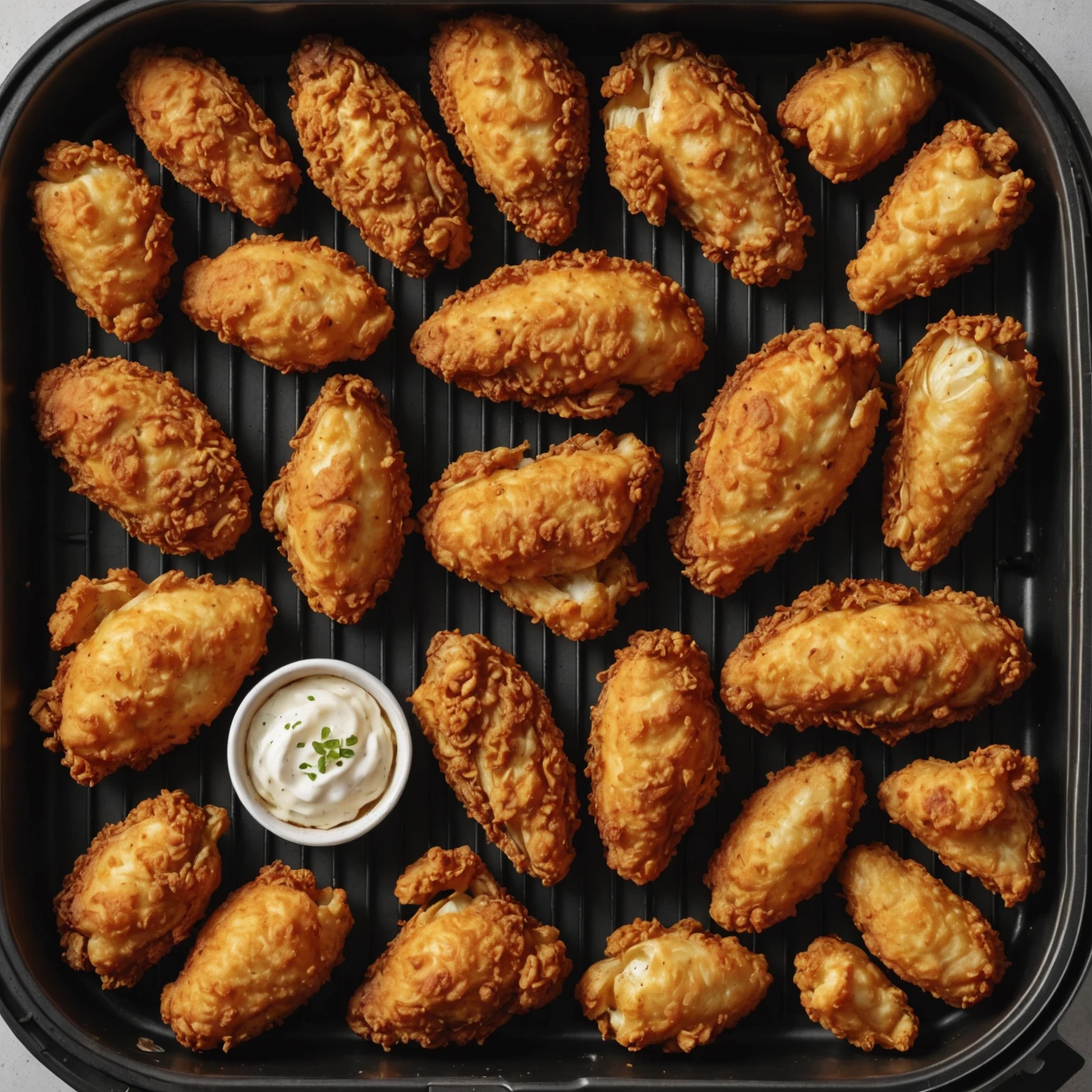
Air cooking is renowned for delivering crispy, flavorful dishes with minimal oil use. However, consistently achieving the ideal crunch requires understanding key scientific principles and applying targeted methods. This comprehensive guide outlines the factors influencing texture and crispiness, helping you maximize your air cooking results.
Understanding the Science of Crispiness
Crispiness primarily results from moisture loss at the food’s surface and the Maillard reaction, a heat-driven chemical process responsible for browning and complex flavor development. Efficient hot air circulation in air fryers accelerates surface moisture evaporation, enabling browning. Excess moisture, however, creates steam, resulting in soggy textures instead of crispness.
Effective Moisture Management
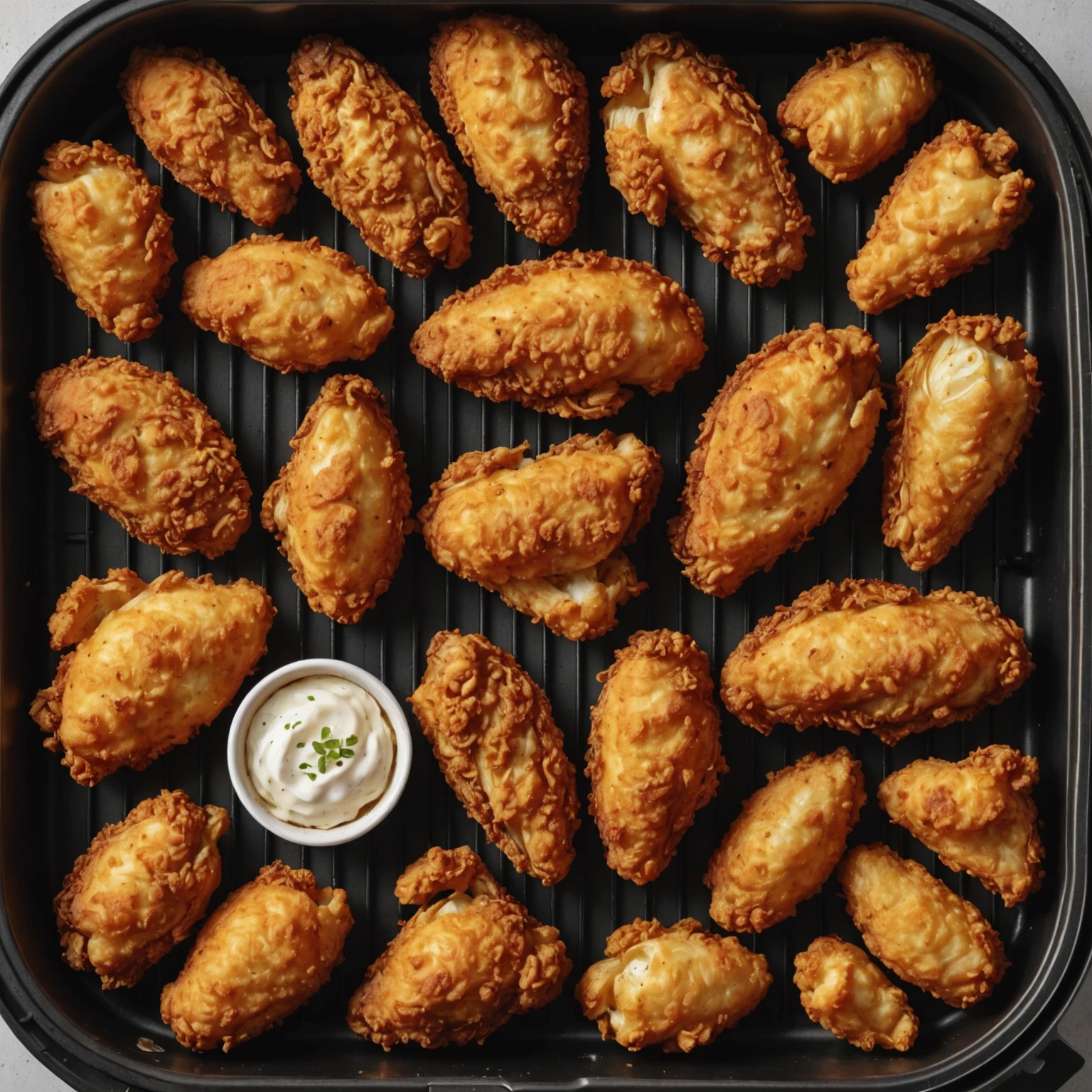
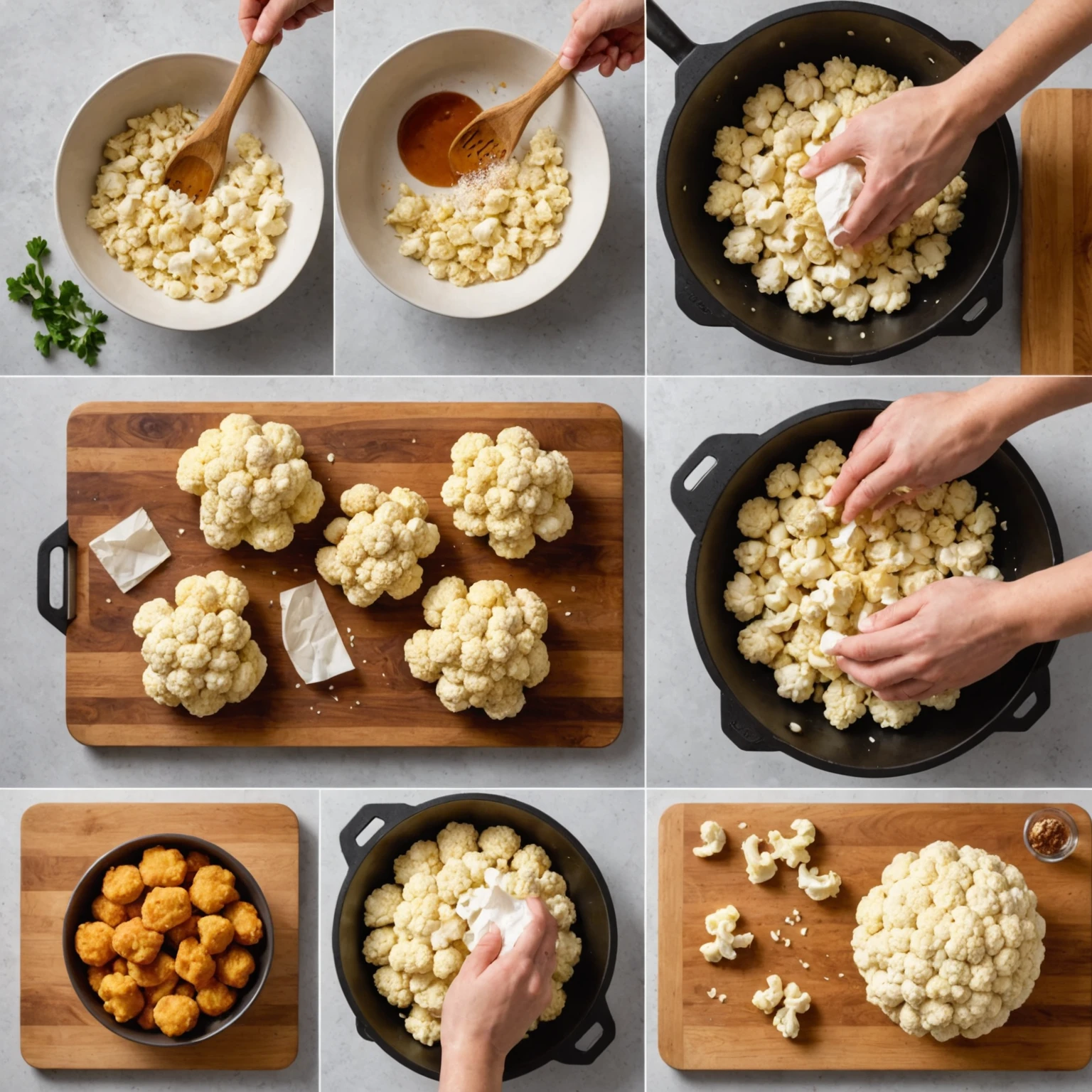
- Thoroughly Dry Ingredients: Remove surface moisture by patting ingredients dry before air cooking to prevent steaming. - Apply Protective Coatings: Light layers of breadcrumbs, starches, or a fine oil mist create a barrier that locks in interior moisture while encouraging a crispy exterior. - Avoid Overcrowding: Arrange food in a single layer with space between pieces to promote optimal air circulation and uniform browning.
Temperature and Cooking Time Optimization
- Initiate with High Heat: Starting cooking at higher temperatures speeds moisture evaporation and triggers the Maillard reaction. - Transition to Moderate Heat: Lowering the temperature after initial crisping ensures the interior cooks thoroughly without burning the exterior. - Use Two-Phase Cooking: Employing a two-step method—an initial intense heat burst followed by gentler cooking—balances crispiness with tenderness.
Enhancing Airflow and Layering
- Elevate Food on Racks: Using racks exposes all surfaces to circulating hot air, promoting even crispiness. - Flip or Shake Food Midway: Turning or shaking food during cooking prevents soggy spots and ensures balanced heat exposure.
Ingredient-Specific Texture Tips
Certain ingredients release varying moisture levels that impact texture:
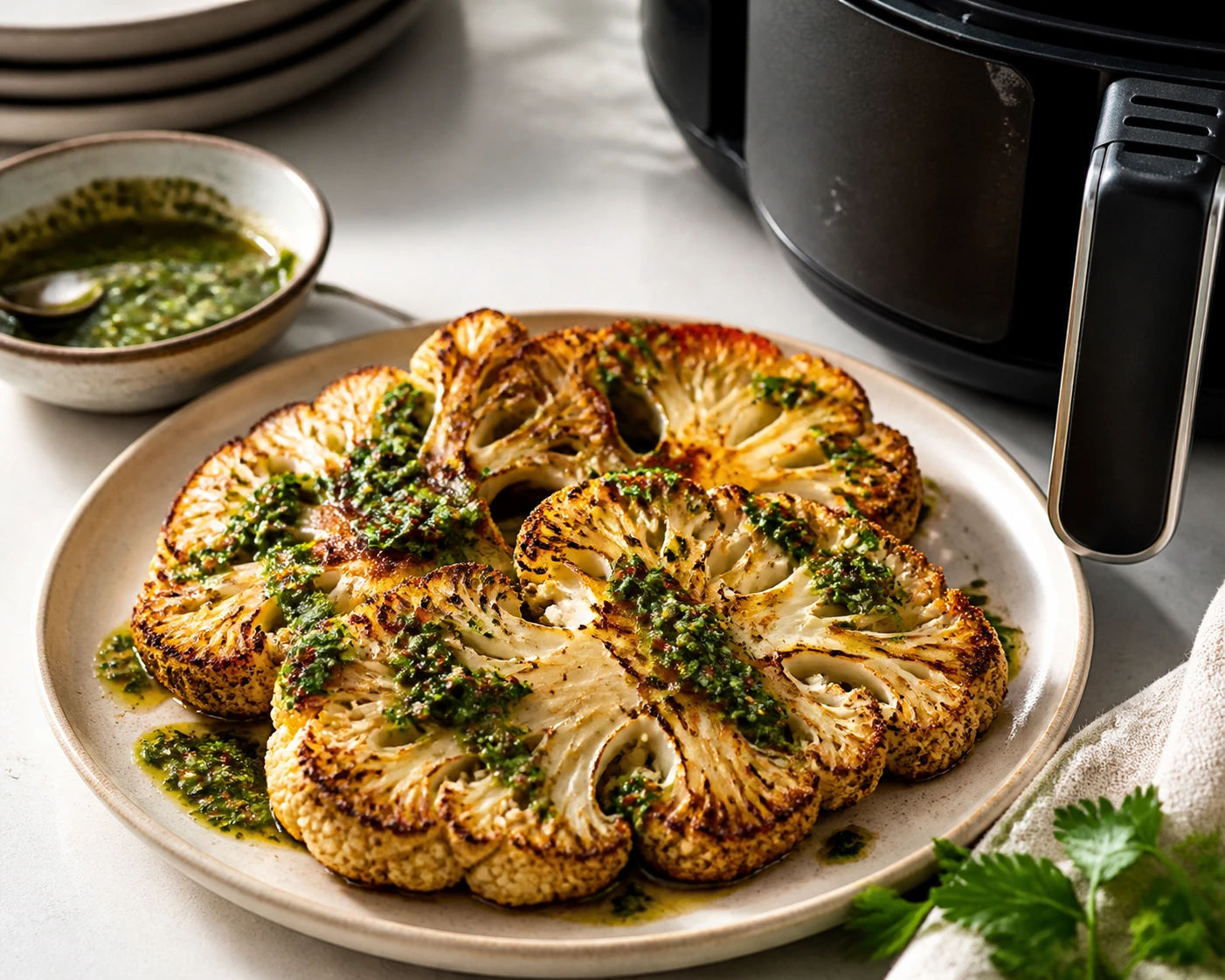
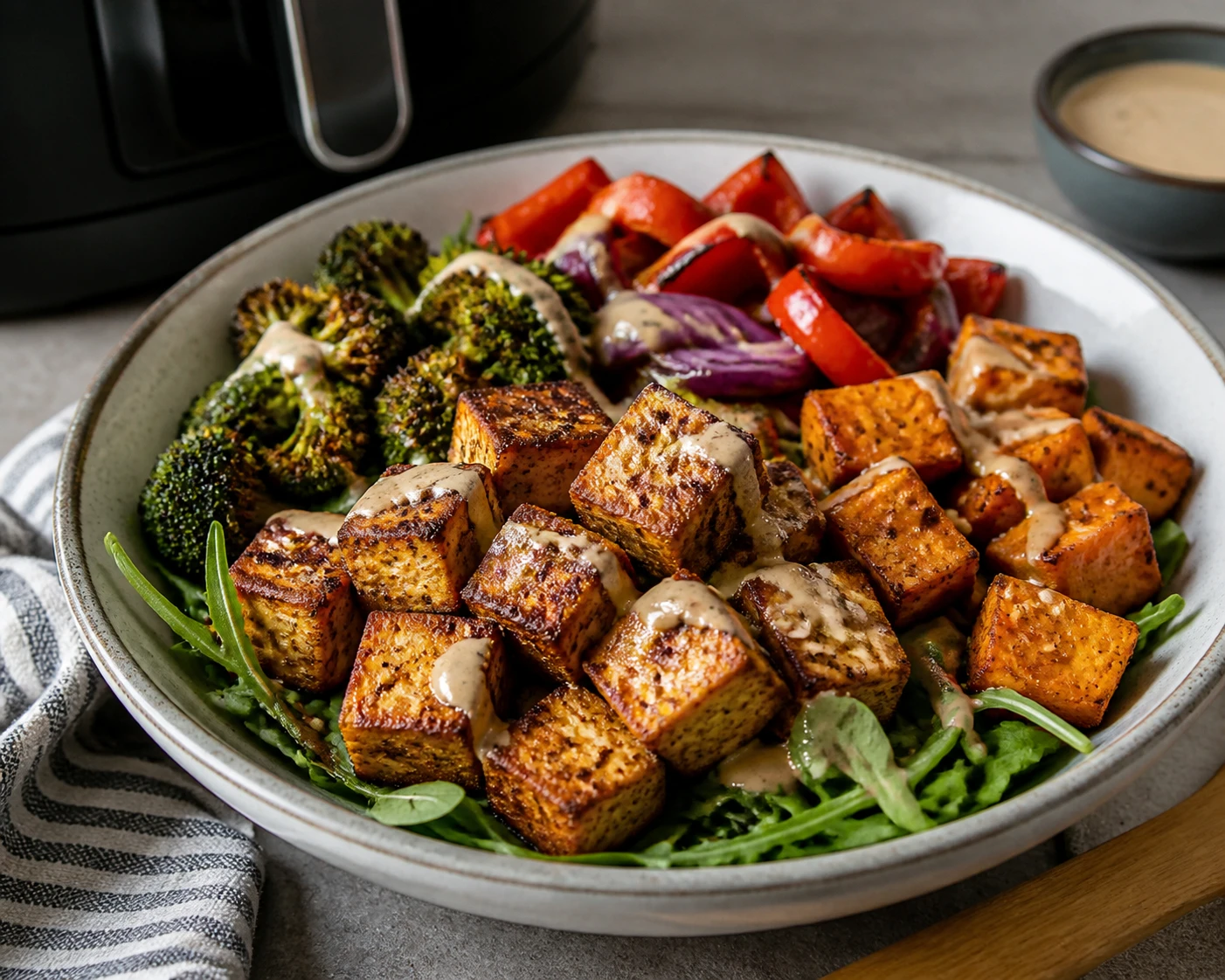
- Vegetables: Water-rich vegetables like cauliflower benefit from salting beforehand to draw out excess moisture, improving crispness. This technique enhances dishes like Air Fryer Crispy Buffalo Cauliflower Bites.
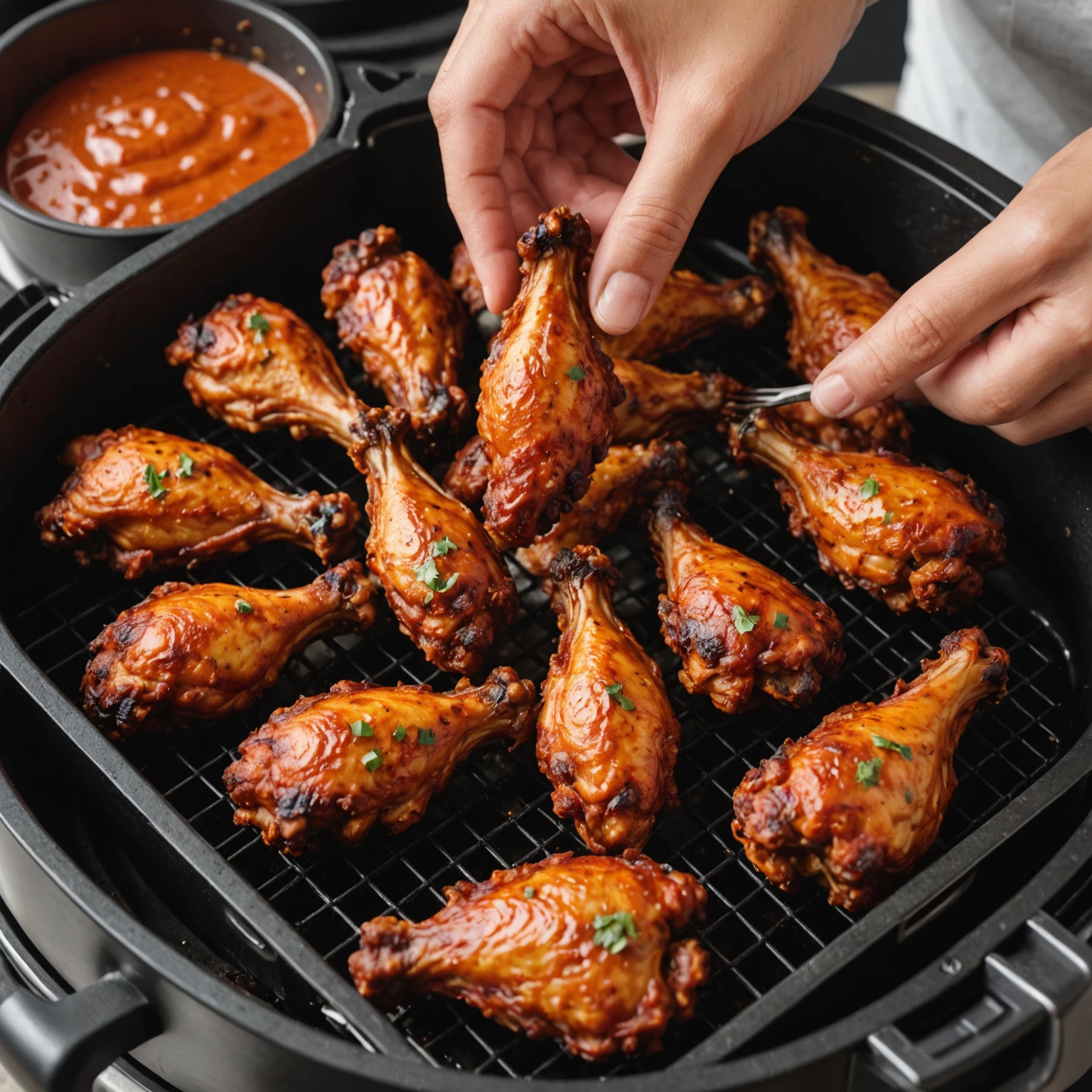
- Proteins: Marinating proteins such as chicken wings in acidic or enzymatic ingredients (e.g., yogurt or lemon juice) tenderizes meat and reduces surface moisture, aiding in the development of crispy skin. This approach is showcased in Air Fryer Crispy Tandoori Chicken Wings.
Additional Best Practices for Crispiness
- Apply sauces or wet toppings after cooking to maintain texture. - Utilize finishing options like broil or grill functions in your air fryer to enhance surface crisp. - Clean your air fryer basket regularly to prevent grease accumulation that can cause uneven cooking and sogginess.
By mastering moisture control, temperature regulation, airflow management, and ingredient preparation, you can elevate your air cooking to consistently produce crisp, flavorful meals. Whether crafting spicy cauliflower bites or perfectly crispy chicken wings, these strategies will unlock the full potential of your air fryer, delivering healthier meals with exceptional restaurant-quality texture and taste.