 Airfryfeast
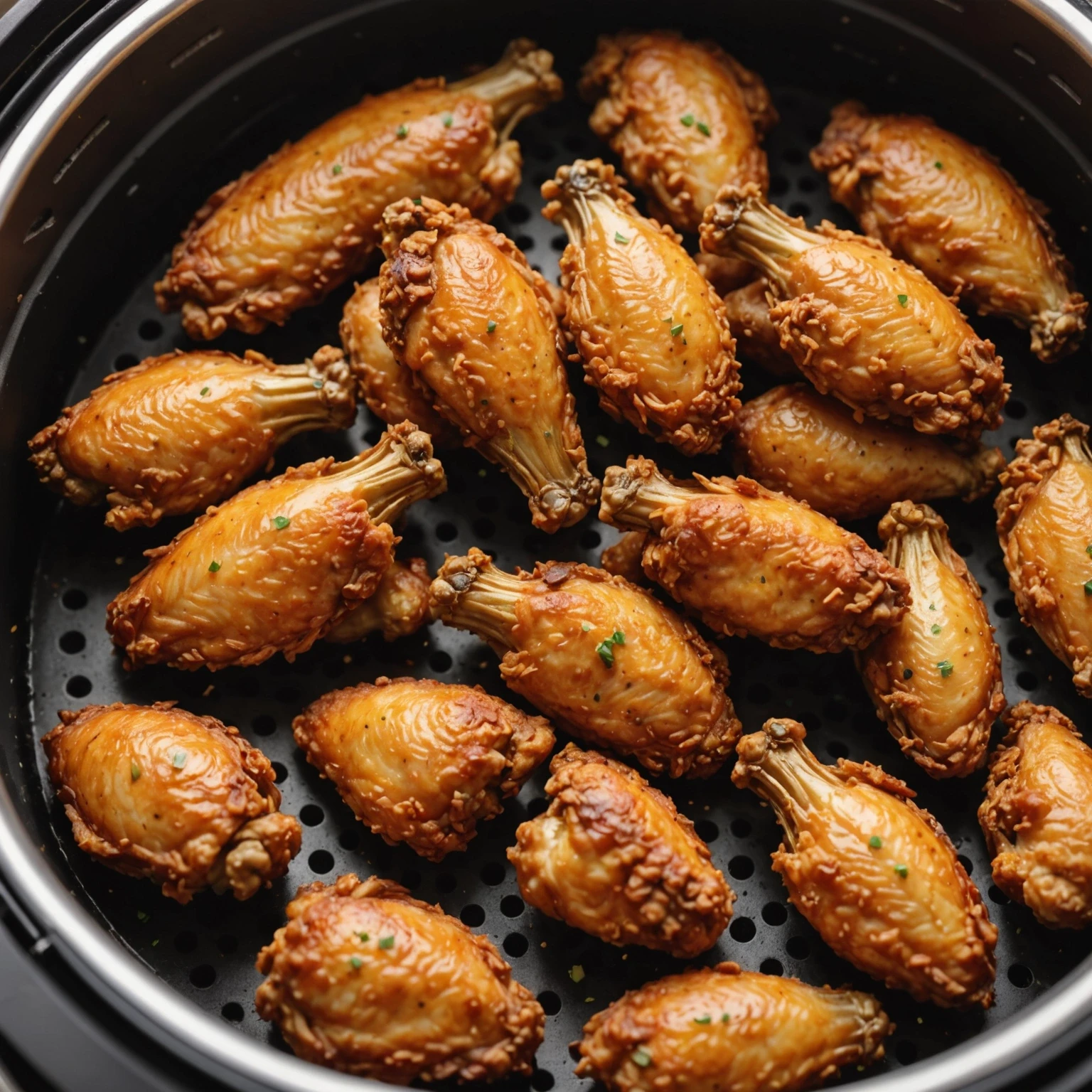
Air fryers revolutionize home cooking by delivering the crispy finish of fried foods with less oil and mess. Understanding how heat transfer, moisture evaporation, and airflow work inside your air fryer helps you consistently produce foods that are crisp outside and tender inside.
Heat Transfer and Its Impact on Air Fryer Texture
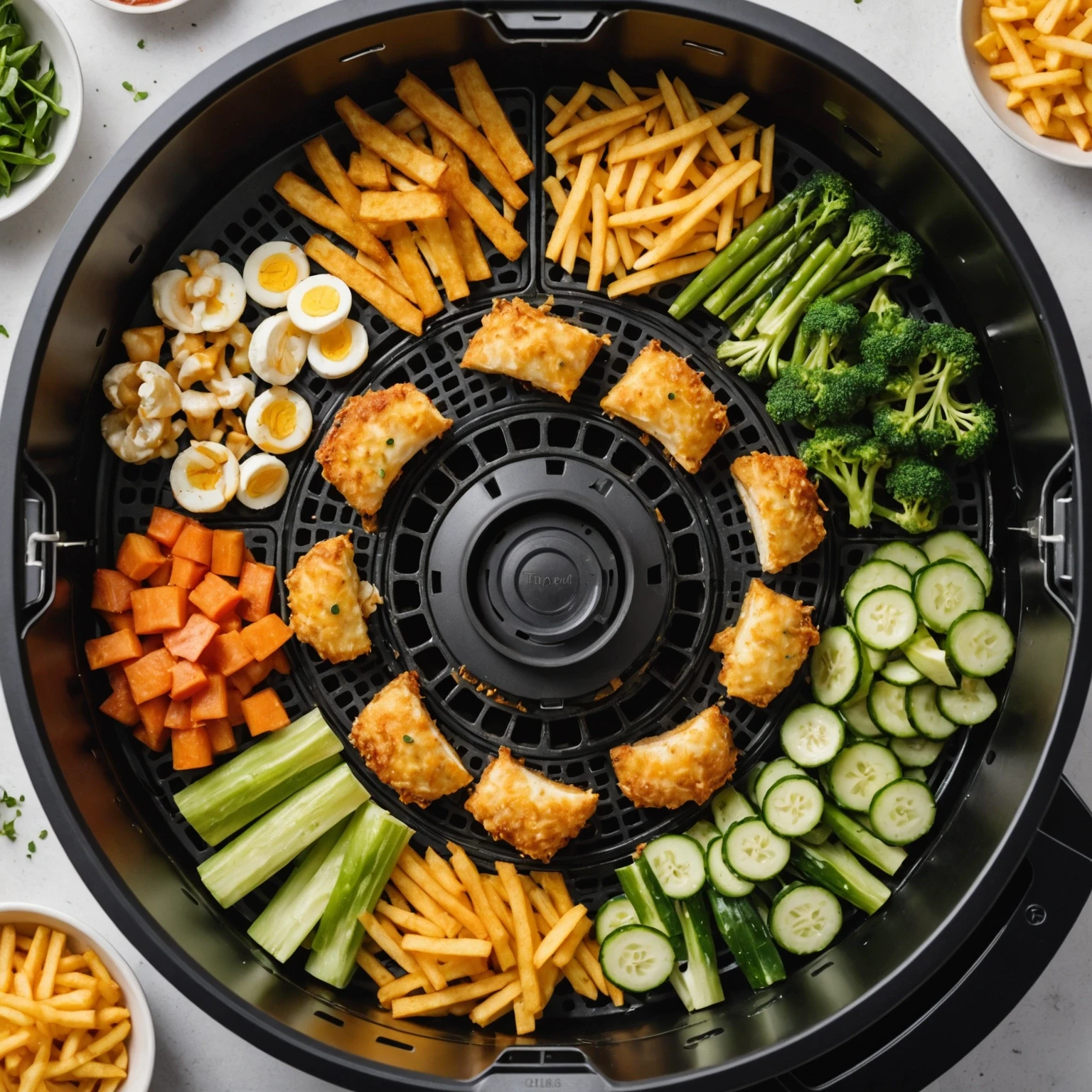
Air fryers cook food through convection heat transfer—hot air rapidly circulates around the food, ensuring even and fast cooking. Unlike deep frying where food is submerged in oil, air frying creates crusts using dry heat processes such as:
- Maillard Reaction: Occurs above 285°F (140°C), where amino acids and sugars interact to form a browned, flavorful crust.
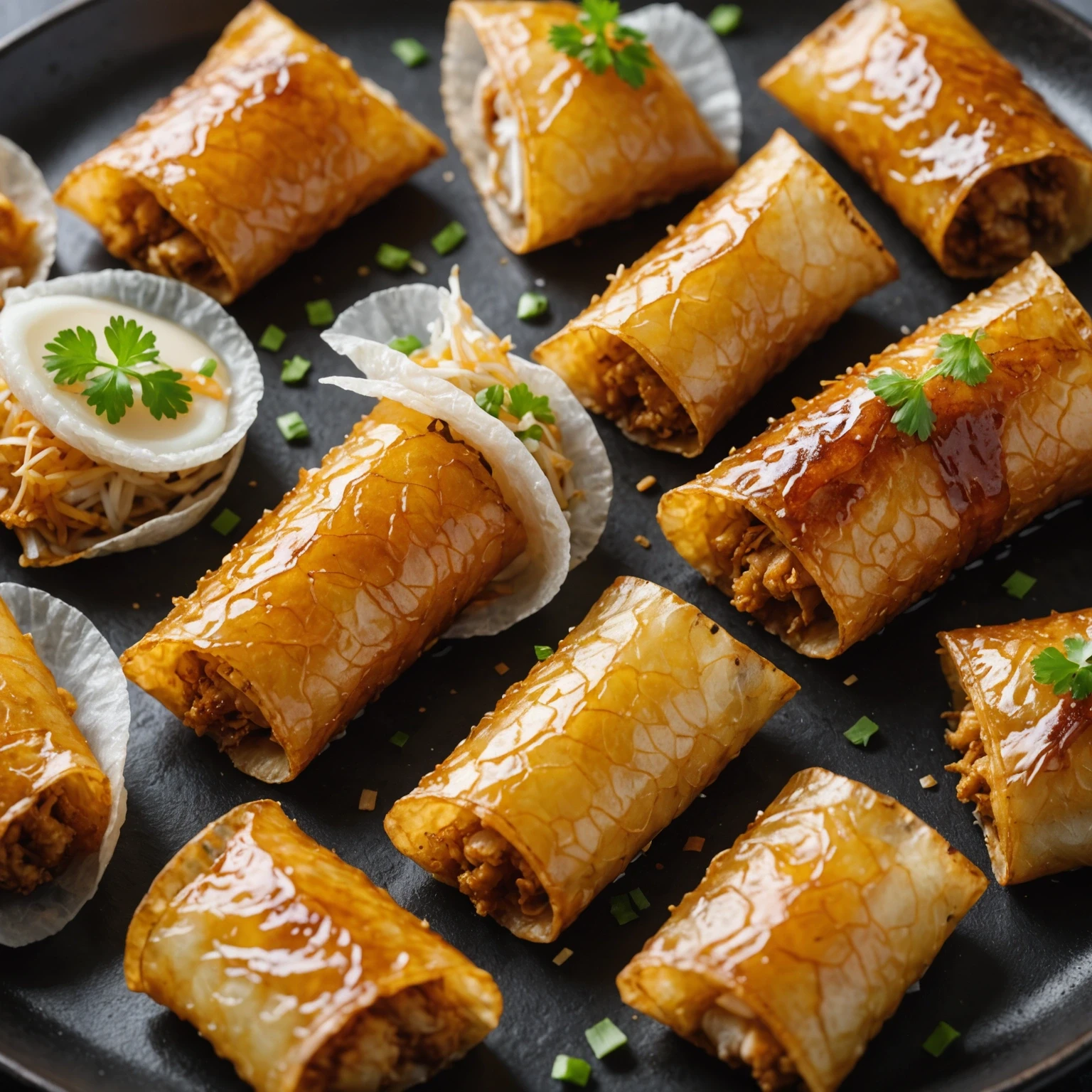
- Caramelization: Heat breaks down sugars, yielding a sweet, nutty, and crisp exterior.
- Starch Gelatinization and Crisping: In starchy foods like potatoes, heat causes starch granules to swell then dry out, creating crunch.
Rapid heat transfer from the heating element combined with efficient air circulation helps the food surface quickly reach the temperatures needed for these chemical changes.
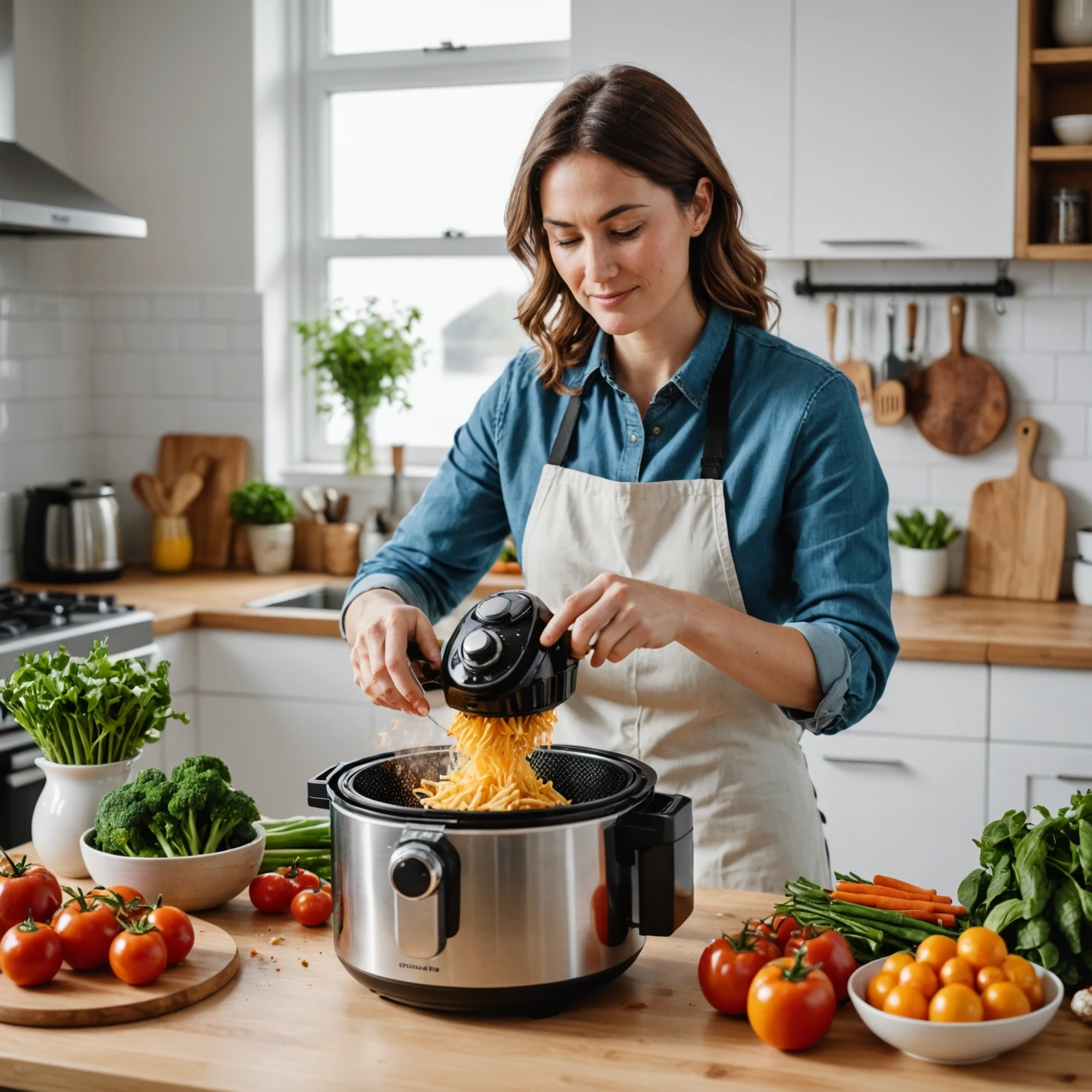
The Essential Role of Moisture Evaporation
Crispiness depends heavily on removing surface moisture:.
- Rapid Drying: Hot air evaporates moisture swiftly, preventing sogginess and enabling proteins, sugars, and starches to crisp.
- Continuous Airflow: Steam is carried away continuously, stopping condensation that can soften crusts.
Foods with high water content, such as many vegetables, benefit from preparation like patting dry, light oil coating, or blanching to enhance moisture loss and crispness.
Airflow Patterns: Key to Even Crispiness
Strong airflow inside air fryers maximizes contact between heated air and food surfaces:
- Turbulent Airflow: Breaks the moist air layer surrounding the food to speed evaporation.
- Even Circulation: Prevents hotspots and ensures all sides crisp uniformly.
- Proper Basket Loading: Avoid overcrowding to maintain unobstructed airflow; overloading traps steam and reduces crispiness.
Why Different Foods Crisp Differently
Differences in crispness stem from food composition and structure:
- Protein and Sugar Content: Higher amounts promote browning via Maillard and caramelization.
- Starch Content: Starch-heavy foods develop crunchy crusts as moisture evaporates.
- Water Content: High-moisture fruits and vegetables may require adjustments to optimize crisping.
- Surface Texture: Rough or porous surfaces crisp better than smooth or wet coatings.
Tips to Optimize Air Fryer Texture
Use these practical steps for the perfect crunch:.
- Preheat Your Air Fryer: Rapidly reaching cooking temperature accelerates moisture loss.
- Pat Ingredients Dry: Eliminate excess surface water before cooking.
- Use Minimal Oil: Light oil coating improves heat conduction and browning without compromising health.
- Avoid Overcrowding: Allow space for air to flow freely around food.
- Shake or Flip Midway: Promotes uniform crisping and prevents soggy spots.
- Adjust Time and Temperature: Start with recommended settings and fine-tune based on food moisture and thickness.
Examples Demonstrating Texture Science
These recipes illustrate key textural principles:
- Crunchy Air Fryer Savory Cheddar and Chive Biscotti created through dry, hot air exposure.
- Protein-rich Air Fryer Spiced Moroccan Chickpea and Carrot Patties with Harissa Yogurt deliver a crispy exterior paired with creamy dips.
- The Air Fryer Low-Carb Cauliflower and Broccoli Casserole turns vegetables into crispy, cheesy dishes via moisture control.
- Sweet Air Fryer Thai Mango Sticky Rice Spring Rolls highlight caramelization's role in crisp desserts.
Conclusion
Mastering heat transfer, moisture evaporation, and airflow enhances your ability to troubleshoot and perfect food textures in your air fryer. Whether you’re making golden-crisp vegetables, crunchy snacks, or tender-crisp mains, understanding these scientific principles unlocks your air fryer’s full potential for delicious, healthier cooking every time.