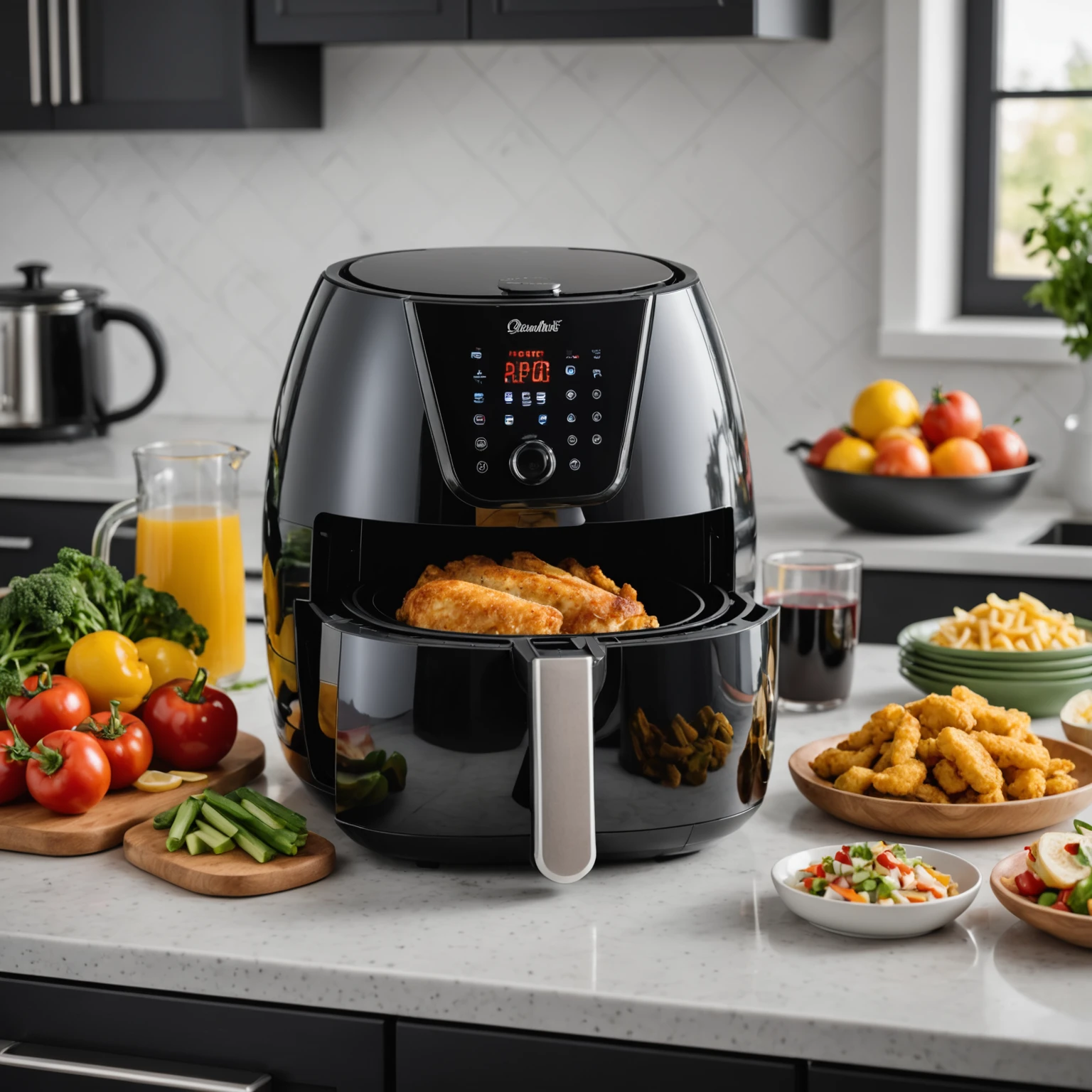
Quick answer: Most air fryer foods cook well between 350°F and 400°F. Use 325°F to 350°F for delicate foods, 375°F for balanced cooking, and 390°F to 400°F when you need stronger browning or crisping. Flip or shake foods halfway through when pieces overlap or have breading.
Air Fryer Temperature and Cooking Time Chart
Use these settings as a starting point. Basket size, food thickness, moisture, and whether the food is fresh or frozen can change the final time. Start checking a few minutes early the first time you make a new dish.
| Food | Temperature | Time | Flip or shake? | Best result tip |
|---|---|---|---|---|
| Chicken breast | 360°F to 375°F | 14 to 20 minutes | Flip once | Use similar-size pieces and rest before slicing. |
| Chicken thighs | 375°F to 390°F | 18 to 24 minutes | Flip once | Place skin side up for the final minutes. |
| Chicken wings | 390°F to 400°F | 18 to 25 minutes | Shake or flip twice | Pat dry first and finish hot for crisp skin. |
| Pork chops | 375°F to 390°F | 10 to 16 minutes | Flip once | Choose similar thickness and rest before serving. |
| Steak | 390°F to 400°F | 7 to 14 minutes | Flip once | Use a thermometer and rest after cooking. |
| Fish fillets | 350°F to 375°F | 8 to 12 minutes | Usually no | Use parchment with holes or a lightly oiled basket. |
| Salmon | 375°F to 390°F | 7 to 12 minutes | Usually no | Cook skin side down and check the thickest part. |
| Shrimp | 375°F to 390°F | 5 to 8 minutes | Shake once | Pull them when opaque and curled, not tight. |
| Potato wedges | 390°F to 400°F | 18 to 25 minutes | Shake twice | Soak, dry well, then coat lightly with oil. |
| Broccoli or cauliflower | 375°F to 390°F | 8 to 14 minutes | Shake once | Cut evenly and avoid tiny loose crumbs that burn. |
| Brussels sprouts | 375°F to 390°F | 10 to 16 minutes | Shake once or twice | Halve large sprouts and place cut sides down first. |
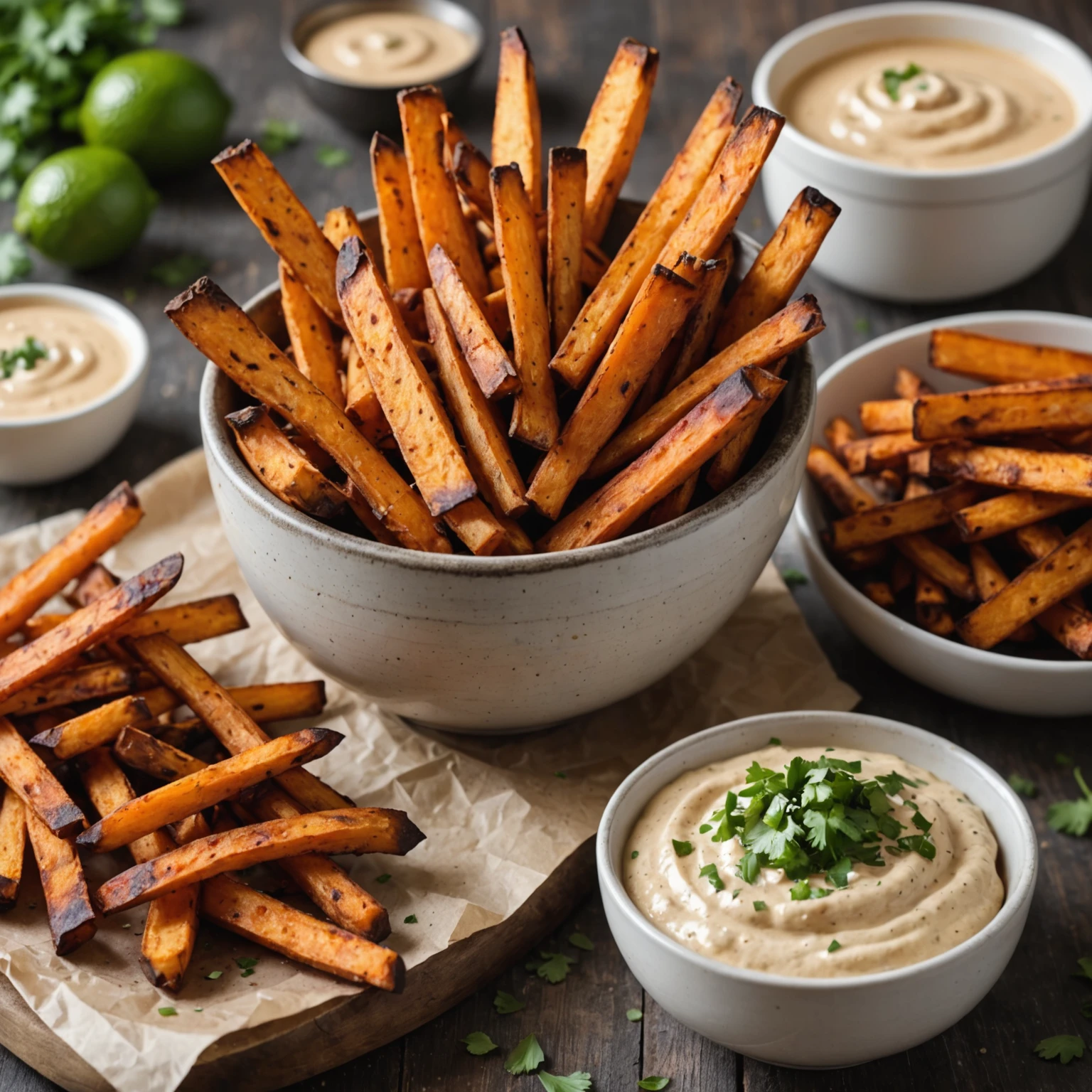
| Sweet potato fries | 375°F to 390°F | 12 to 20 minutes | Shake twice | Cut evenly and use a light starch coating for crisp edges. |
| Frozen fries | 390°F to 400°F | 12 to 20 minutes | Shake twice | Cook from frozen and keep the basket loose. |
| Frozen chicken nuggets | 375°F to 400°F | 8 to 12 minutes | Shake once | Cook from frozen and avoid stacking pieces. |
| Frozen pizza rolls | 375°F to 390°F | 6 to 9 minutes | Shake once | Let them cool briefly because fillings get very hot. |
| Mozzarella sticks | 360°F to 375°F | 5 to 8 minutes | Usually no | Stop when the coating crisps before cheese leaks out. |
| Frozen appetizers | 375°F to 400°F | 8 to 16 minutes | Shake or flip | Lower the heat slightly if the outside browns too fast. |
| Leftovers | 325°F to 350°F | 3 to 8 minutes | As needed | Use lower heat so the center warms before the edges dry. |
| Biscuits or small baked goods | 320°F to 350°F | 7 to 14 minutes | No | Leave space for rising and check browning early. |
Best Air Fryer Temperature Ranges
Air fryers move hot air quickly, so a small temperature change can make a visible difference. Instead of using one setting for everything, choose the range that matches the food's moisture level, thickness, and surface texture.
For meat, poultry, seafood, and reheated leftovers, use the chart as a timing guide but verify doneness with a food thermometer when safety matters. Air fryer models vary, and thicker pieces can need more time even when the outside looks browned.
300°F to 325°F: gentle warming and delicate cooking
Use this range for reheating foods that dry out easily, warming pastries, or cooking delicate items that need time before browning. It is also useful when a recipe contains sugar, honey, or a glaze that can burn at high heat.
350°F to 375°F: the everyday air fryer setting
This is the best default range for chicken, fish, vegetables, tofu, and many homemade recipes. It gives the inside time to cook while still browning the outside.
390°F to 400°F: maximum crisping and browning
Use high heat for frozen fries, breaded snacks, potato wedges, and finishing foods that are already cooked through. Watch closely, because thin edges can brown quickly at this setting.
What Air Fryer Presets Actually Mean
Air fryer presets are shortcuts for temperature and time. They are convenient, but they cannot know the exact thickness, brand, moisture, or amount of food in your basket. Treat presets as starting points, then adjust based on what you see.
- Chicken preset: usually medium-high heat for browning while cooking through.
- Fries preset: usually high heat with enough time to dry and crisp potato surfaces.
- Fish preset: usually moderate heat to protect delicate flesh.
- Bake preset: usually lower heat for gentler, more even cooking.
- Reheat preset: usually lower heat for warming without over-browning.
How to Convert Oven Recipes for an Air Fryer
A simple conversion rule works for many recipes: reduce the oven temperature by about 25°F and begin checking the food about 20 percent earlier than the original cook time. For example, an oven recipe at 400°F for 25 minutes might start at 375°F in the air fryer, with the first check around 20 minutes.
Conversion tip: If the food is browning too fast but the center is not done, lower the temperature by 15°F to 25°F and continue cooking. If the center is done but the outside is pale, raise the temperature for the final 2 to 4 minutes.
How to Get Crispier Air Fryer Results
Crispness depends on airflow, surface moisture, and spacing. The air fryer cannot crisp food well when steam is trapped between crowded pieces.
- Dry the surface of meat, seafood, tofu, and vegetables before seasoning.
- Use a small amount of oil on foods that are naturally dry or starchy.
- Arrange food in a loose single layer whenever possible.
- Shake small foods and flip larger foods halfway through cooking.
- Use high heat only after the inside has had enough time to cook.
Common Air Fryer Temperature Mistakes
Cooking everything at 400°F
High heat can make frozen snacks crispy, but it can also dry chicken, scorch glazes, and burn small vegetables before the center is tender.
Overfilling the basket
Too much food blocks airflow. If the basket is crowded, cook in batches or shake more often.
Not checking early
Air fryer models vary. Check food early the first time, then note the best time for your own machine.
Ignoring carryover heat
Meat and dense foods continue warming briefly after cooking. Rest chicken, steak, and thick vegetables before cutting or serving.
Recipes to Use With This Temperature Guide
Link this guide to recipes that demonstrate each setting. These internal links help readers move from advice to cooking and help search engines understand the site's air fryer topic cluster.
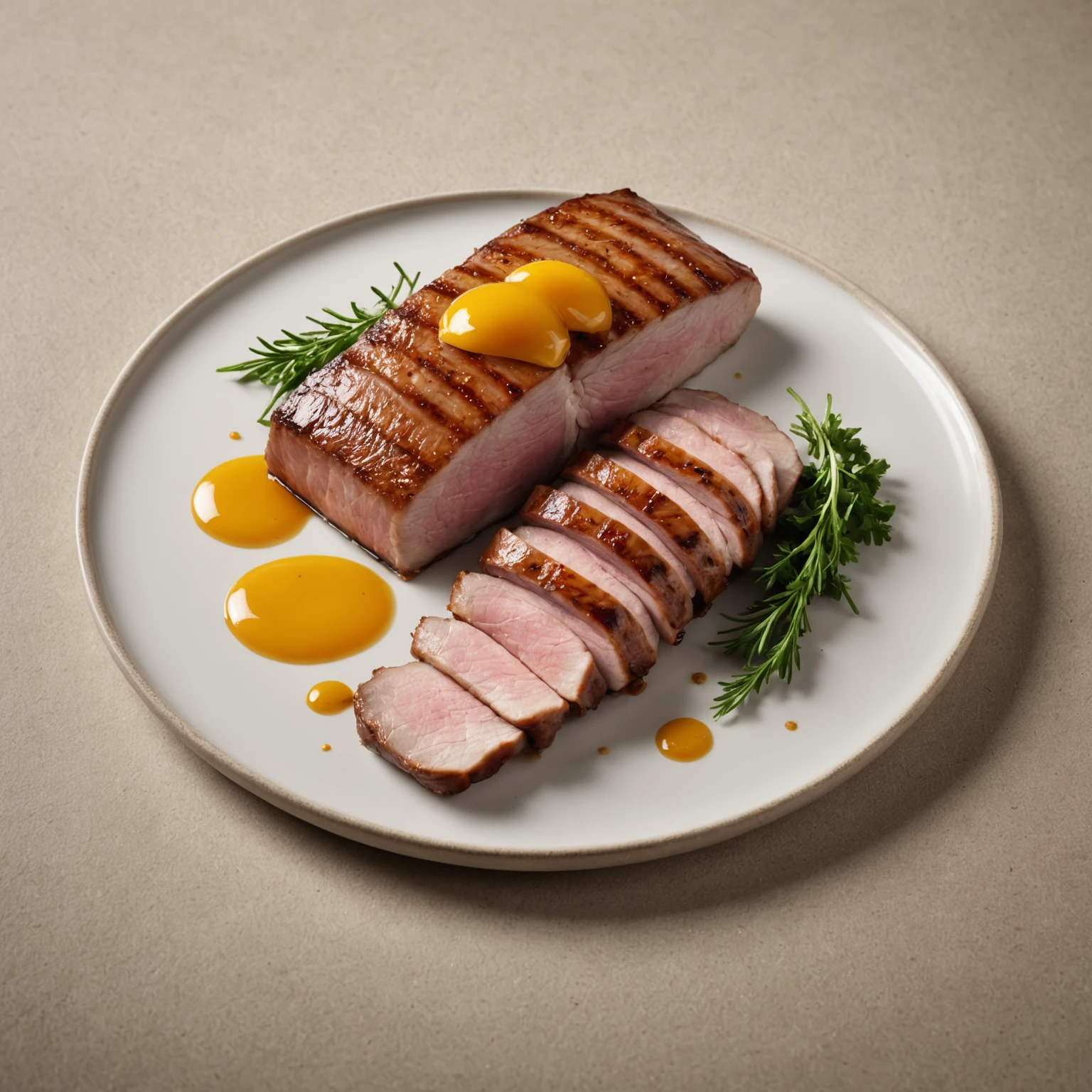
- Air Fryer Holiday Herb and Garlic Roasted Duck Breast with Cranberry Glaze: Use medium-high heat for crisp skin and a tender center.
- Air Fryer Herb and Garlic Roasted Chicken Thighs with Crispy Skin: Practice the 375°F to 390°F range for juicy chicken and browned edges.
- Air Fryer Spiced Venison Jerky Bites: Use controlled heat to dry and crisp without burning spices.
- Air Fryer Garlic Parmesan Roasted Asparagus Bundles: Use fast, hot air for browned tips and tender stalks.
- Air Fryer Maple Mustard Glazed Pork Belly Burnt Ends: Use higher heat near the end for caramelized edges.
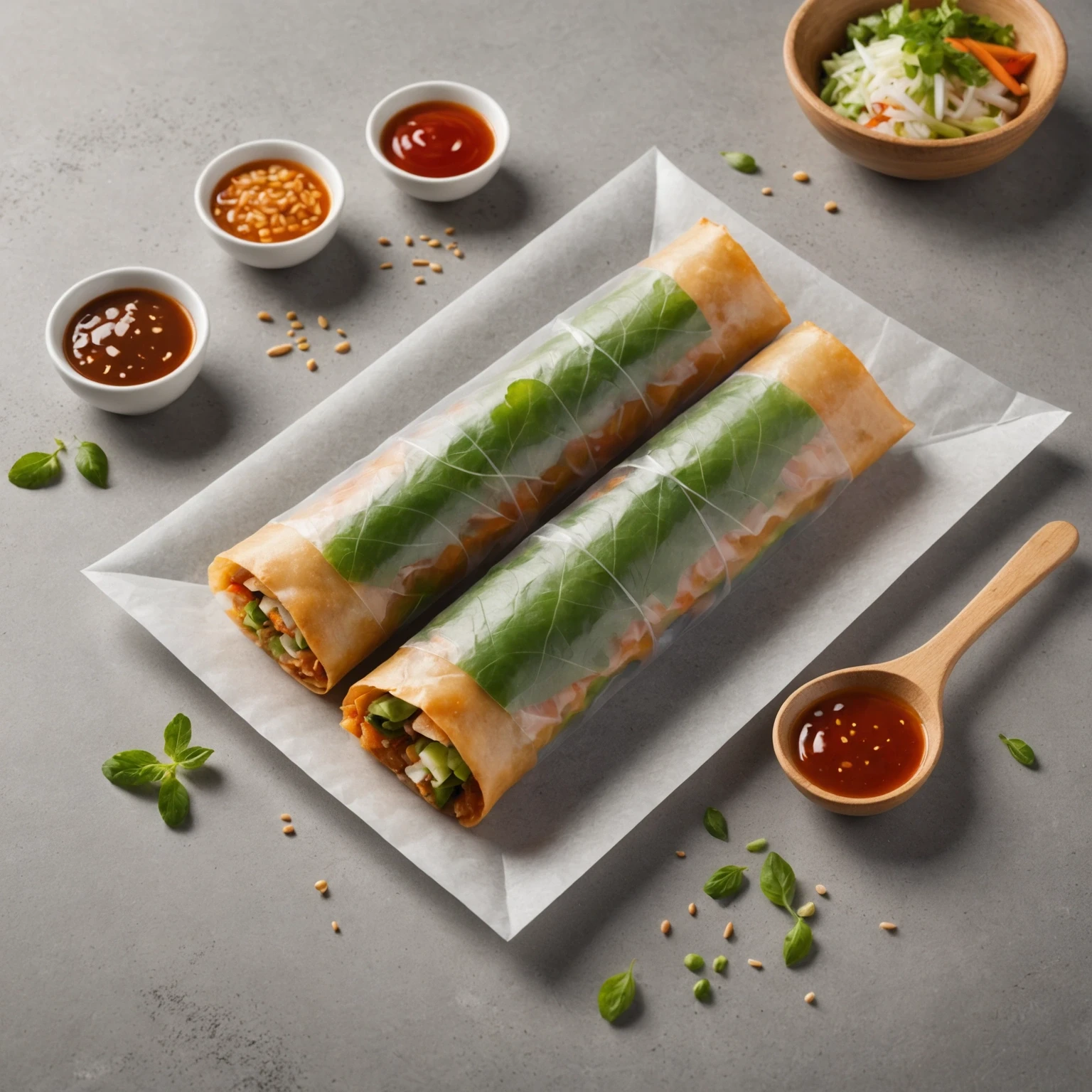
- Air Fryer Thai Mango Sticky Rice Spring Rolls: Use careful heat so wrappers crisp while the filling stays soft.
Air Fryer Temperature FAQ
What is the best all-purpose air fryer temperature?
For many foods, 375°F is the best all-purpose air fryer temperature. It is hot enough to brown the outside but moderate enough to give the center time to cook.
Should I preheat my air fryer?
Preheating helps when you want quick browning, especially for frozen foods, breaded foods, and small items. For longer-cooking foods like chicken thighs or thick vegetables, preheating is helpful but not always required.
Do I need to flip food in the air fryer?
Flip larger pieces like chicken, fish, or burgers. Shake smaller foods like fries, Brussels sprouts, and frozen snacks. Foods in a single layer with strong airflow need less movement.
Why does my air fryer cook faster than recipes say?
Basket shape, fan strength, wattage, food size, and batch size all affect timing. Smaller air fryers and stronger fans often cook faster than recipe estimates.
What temperature should I use to reheat leftovers?
Start around 325°F to 350°F. This warms the center without drying out the edges. Use a brief high-heat finish only if the food needs crisping.